meta_title: "15 Candidate Sourcing Strategies for 2026" meta_description: "Learn 15 candidate sourcing strategies for 2026, from passive talent outreach to skills-based assessments, with data, tools, and real trade-offs."
15 candidate sourcing strategies for 2026
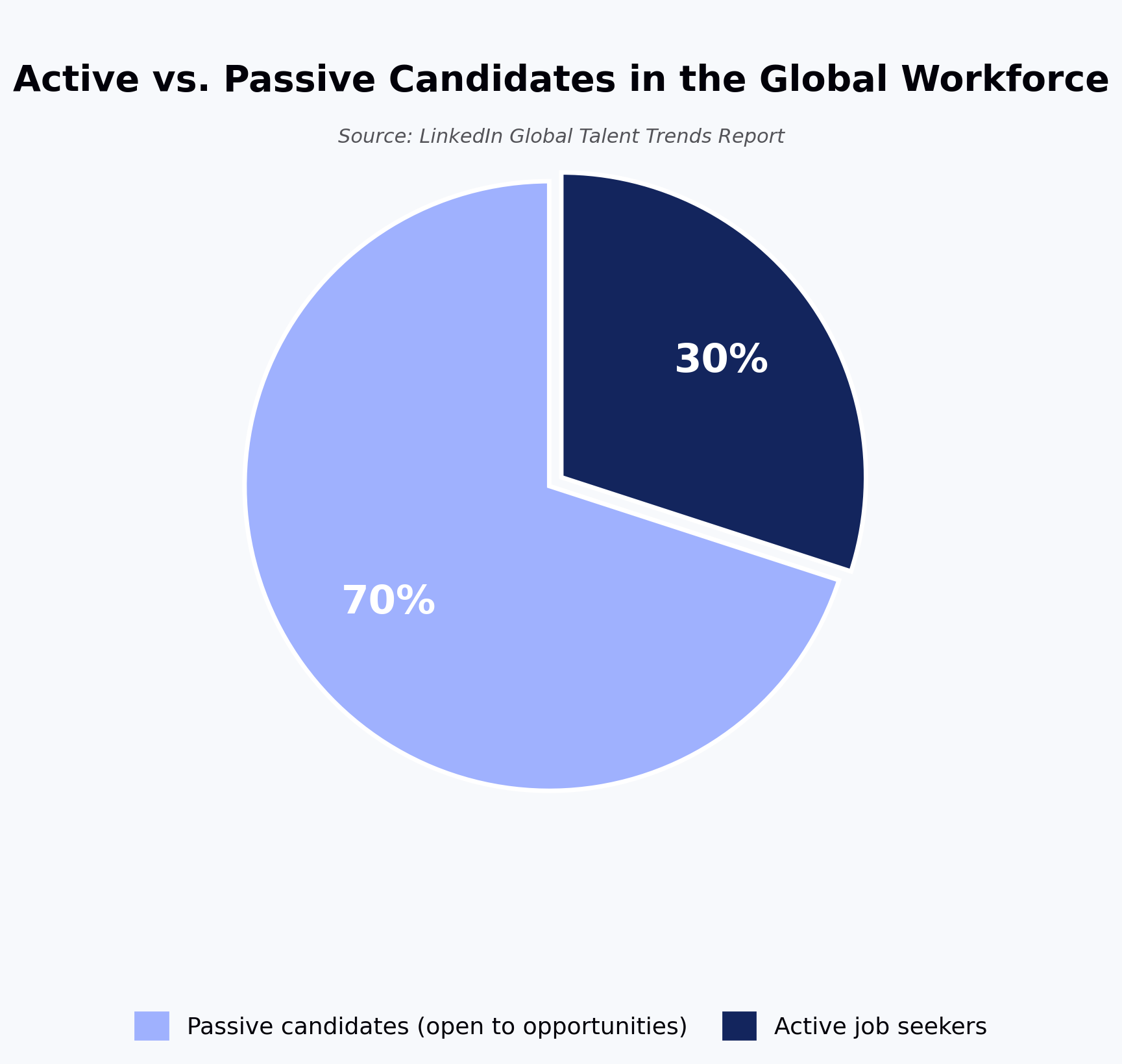
Candidate sourcing strategies determine whether your pipeline is full of people who can do the job — or full of applicants who happened to see your ad. Research from LinkedIn's Global Talent Trends report suggests roughly 70% of the global workforce is made up of passive candidates who aren't actively searching but would consider a move for the right role. If your entire hiring motion depends on inbound applications, you're competing for the 30% who are already shopping around — often the same 30% every other company is chasing.
Most companies over-invest in sourcing volume and under-invest in sourcing precision. This guide covers 15 candidate sourcing strategies for 2026 — spanning outbound recruiting, inbound recruiting, talent pipeline development, and technical recruiting workflows — with concrete how-to steps, named tools, and honest notes on where each approach breaks down.
What is candidate sourcing?
Candidate sourcing is the proactive process of identifying and engaging potential hires before a role is posted, rather than waiting for inbound applications. It's the "hunt" portion of talent acquisition: building a pipeline of passive talent, warm leads, and pre-qualified candidates so that when a role opens, you already have a shortlist. Sourcing feeds recruiting; recruiting closes the loop.
Why candidate sourcing strategies matter in 2026
Skills shortages are the defining constraint of the current hiring market. According to SHRM's Talent Access Report, a majority of hiring managers report difficulty finding candidates with the right skills, and TestGorilla's State of Skills-Based Hiring report indicates that around 81% of surveyed employers now use some form of skills-based hiring. In many industries, degrees are carrying less weight than demonstrated skills. A refined set of sourcing strategies — not just more job ads — is what separates teams that fill roles from teams that watch them stay open for months.
15 candidate sourcing strategies that actually work
1. Build ideal candidate personas before you source
Start by defining who you're hunting. A candidate persona is a profile covering not just technical skills, but motivations, career stage, preferred work style, and where the person spends time online (GitHub, Stack Overflow, niche Discord servers, specific subreddits). Run a 30-minute intake meeting with the hiring manager to lock down must-have skills, nice-to-haves, and disqualifiers.
When this doesn't work: Personas built from assumptions rather than data become fiction. If you haven't hired for this role before, interview two or three current employees in similar positions before drafting the persona.
2. Mine your ATS for overlooked talent
Your applicant tracking system likely contains hundreds of "silver medalists" — candidates who reached final rounds but weren't selected. Re-engaging them is faster and cheaper than net-new sourcing. Set up a quarterly cadence to filter your ATS (Greenhouse, Lever, Workable, or similar) for candidates rejected at the offer or final-interview stage in the past 18 months, then send a personalized re-engagement message.
When this doesn't work: Silver medalists often go quiet if their rejection wasn't handled well the first time. If your rejection process was rushed or impersonal, expect low response rates.
3. Use boolean search to go beyond LinkedIn
Boolean search combines operators like AND, OR, NOT, and quotation marks to filter web results. On Google, a string like site:github.com "Django" "PostgreSQL" -recruiter "San Francisco" can surface engineers with public repos who aren't active on LinkedIn. Extend this to Stack Overflow, GitLab, and personal blogs to build a list of candidates most sourcers miss. Tools like SeekOut and hireEZ automate much of this by aggregating boolean queries across dozens of platforms.
When this doesn't work: Boolean search is time-intensive and works best for technical roles with searchable public artifacts. For non-technical roles — sales, marketing, operations — it produces noisy results because those candidates leave fewer public signals. Budget several hours per role, and expect diminishing returns after the top 20-30 profiles.
4. Build employee referral programs that reach beyond immediate networks
Referral hires close faster and stay longer than most other sourcing channels, according to Jobvite's Recruiter Nation reports. Structure your program with clear payout tiers, a simple submission form, and — critically — prompts that push employees to look beyond their immediate colleagues. Ask referrers to name one person they'd trust from a previous job, one from a conference, and one from an online community they participate in.
When this doesn't work: Referral programs can narrow diversity if left unchecked, because people tend to refer people who look like them. Pair the program with diversity sourcing targets and measure referral demographics quarterly.
5. Source passive candidates on social media
Passive talent lives where their peers live: X (formerly Twitter) for engineers and designers, GitHub for developers, Behance for creatives, LinkedIn for most other roles, and Discord or Slack for specialized technical communities. Engage with their work — comment on a repo, respond to a post — before pitching a role. Two or three genuine interactions raise response rates significantly compared to cold outreach.
When this doesn't work: Social sourcing takes weeks to warm up. If you need to fill a role in under 30 days, this is a parallel channel, not a primary one.
6. Use hiring challenges to build ranked candidate pools
Hiring challenges — timed, role-specific technical assessments open to a wider audience — produce a ranked list of candidates by demonstrated skill, not resume claims. This is distinct from hackathons, which are better suited to brand-building, developer engagement, and community activation than to direct pipeline generation. If your goal is a ranked shortlist for open roles, run a hiring challenge; if your goal is broader awareness in the developer community, run a hackathon. HackerEarth's Hiring Challenges product is built for the first use case and integrates with common ATS platforms so ranked candidates flow directly into your workflow.
When this doesn't work: Both formats have organizational cost — challenge design, promotion, judging — and low conversion for senior or leadership hires, who rarely participate in open competitions.
7. Invest in employer branding that attracts inbound interest
Employer brand influences whether passive candidates respond to your outreach at all. Publish engineering blog posts, share team stories on your careers page, and keep your Glassdoor and Comparably profiles active. A LinkedIn Employer Brand study indicates that companies with strong employer brands see meaningfully lower cost-per-hire and faster fill times. See our employer branding guide for the specific assets that move response rates.
When this doesn't work: Employer branding is a 6-12 month investment. It won't help you fill a role next week, and it collapses fast if internal culture doesn't match the external story.
8. Tap into talent communities and online forums
Join Slack communities (Rands Leadership, Locally Optimistic), subreddits (r/ExperiencedDevs, r/cscareerquestions), and specialized forums relevant to your target roles. Contribute — answer questions, share resources — for several weeks before mentioning open roles. Community managers often ban recruiters who show up cold.
When this doesn't work: ROI is hard to attribute, and most communities have strict rules against direct recruiting posts. Treat this as a long-horizon channel.
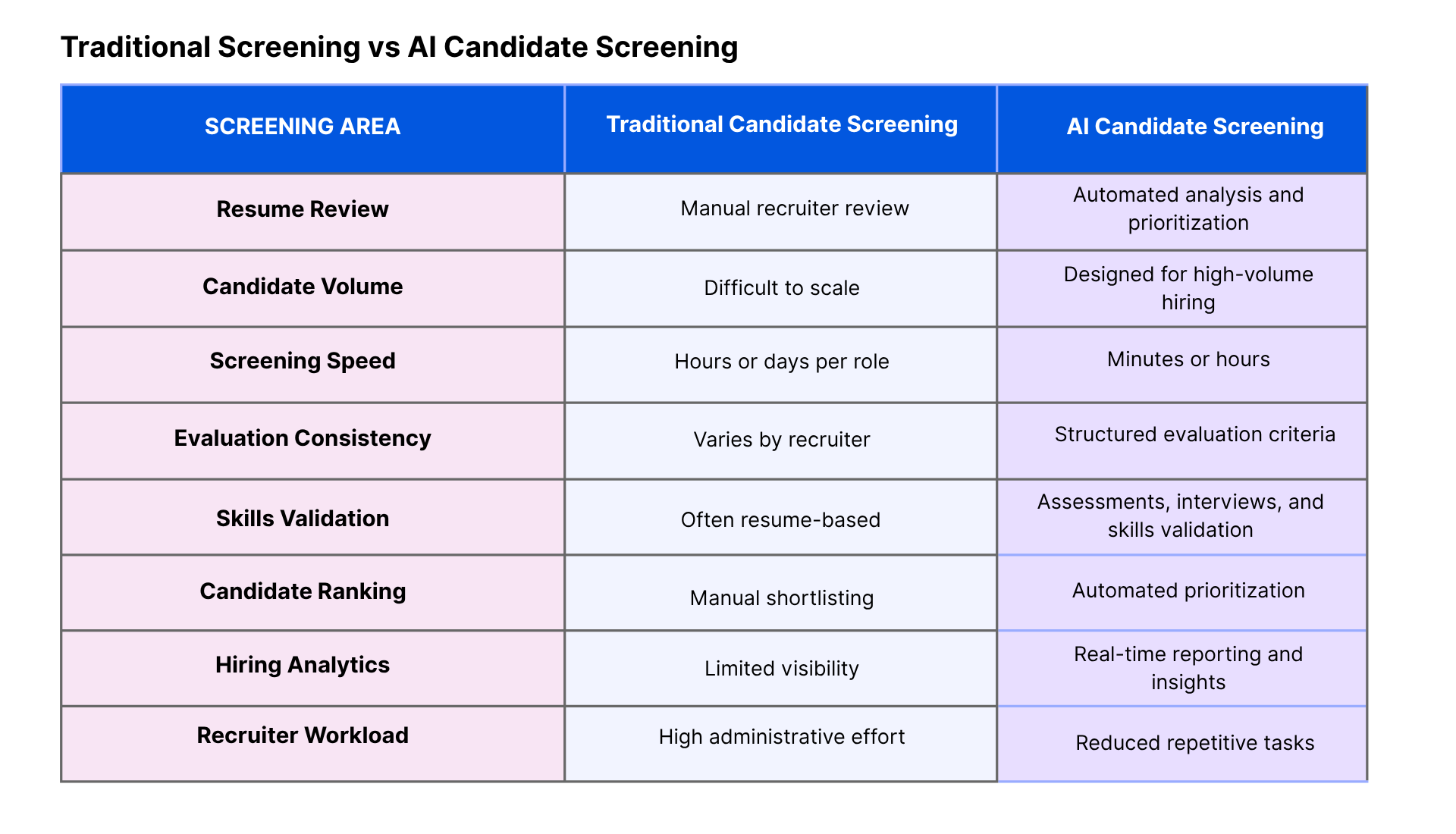
9. Use AI screening tools with a clear understanding of what they do
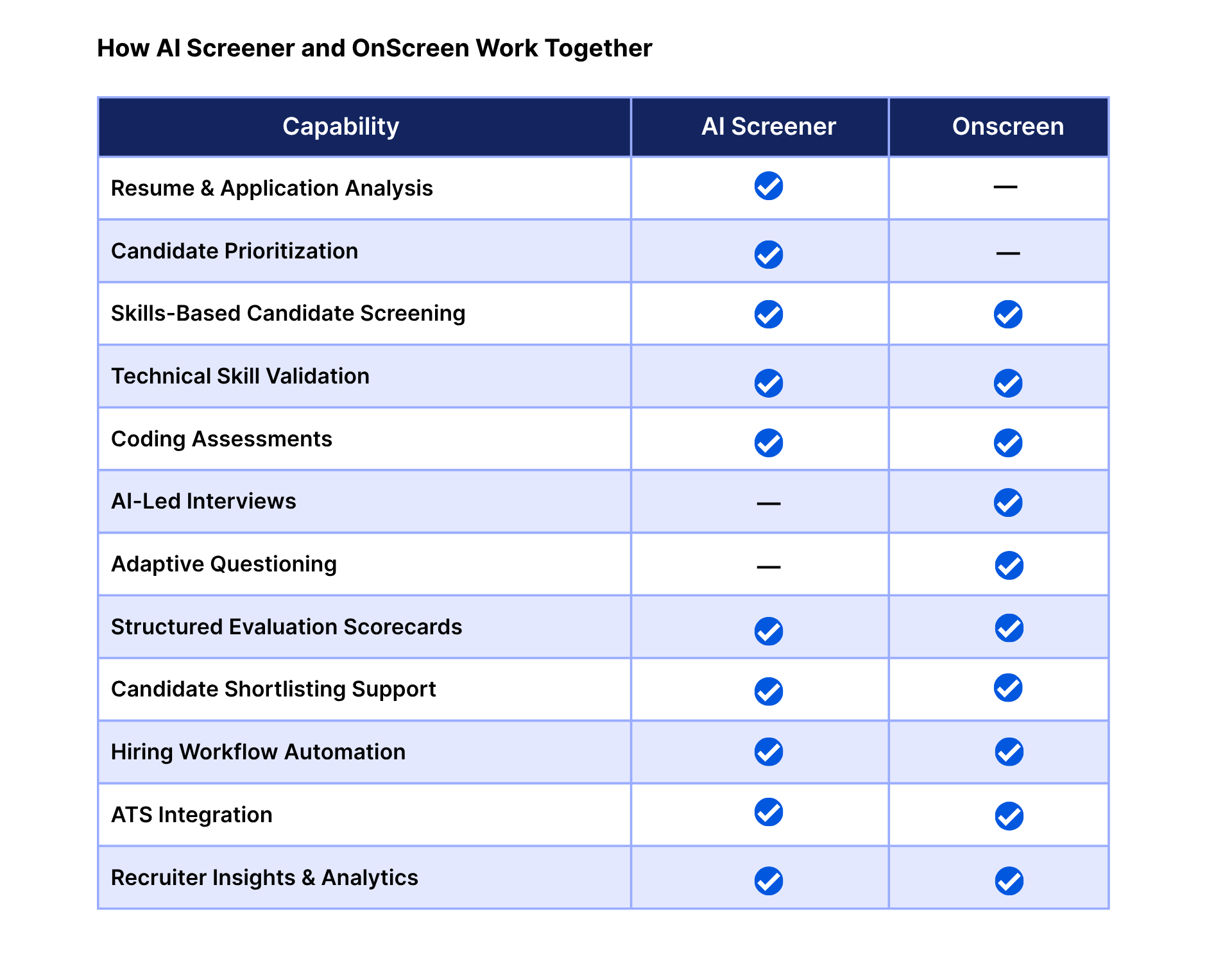
AI-based sourcing tools generally fall into two categories: (1) resume parsing and ranking, which uses NLP models trained on historical hiring data to score candidates against a job description, and (2) skills assessment scoring, which evaluates candidate responses on technical tests against reference solutions. HackerEarth's OnScreen product, for example, uses AI to evaluate technical assessment responses and flag candidates for review.
When this doesn't work: AI models trained on historical hiring data can inherit bias from past decisions. Audit tool outputs for adverse impact against protected groups, and never let an AI score be the sole rejection reason — human review at the borderline is essential. Tools that don't disclose their training data or model logic should be treated with skepticism.
10. Perfect your outreach messaging
Generic InMails and cold emails get ignored. Personalize the first line with something specific — a recent talk, a repo, a blog post — and be explicit about why this person, not just anyone with their title. Follow up two or three times over 10-14 days; response rates on follow-ups often exceed the initial message.
When this doesn't work: Over-personalization at scale is impossible. If you're sourcing 200 candidates a week, batch by segment and personalize the opening sentence only, keeping the rest of the template consistent.
11. Prioritize skills-based assessments over resume screening
Resumes describe experience; assessments demonstrate capability. According to TestGorilla's research, a large majority of employers using skills-based hiring report better quality of hire than resume-based screening. Use short, role-relevant assessments early in the funnel — coding tests for engineers, writing samples for content roles, structured case studies for analysts. See our technical assessment guide for specifics on assessment design.
When this doesn't work: Long or poorly designed assessments crater completion rates. Keep them under 60 minutes for early-stage screening, and be transparent about what you're testing and why.
12. Build relationships with past candidates and former employees
Boomerang hires — former employees returning — ramp faster because they know the culture and systems. Maintain a "keep-warm" list of alumni and past top-tier candidates, and reach out quarterly with role updates or industry insights. LinkedIn alumni groups and simple CRM tags in your ATS make this trackable.
When this doesn't work: If someone left because of a manager or culture problem that hasn't been fixed, reaching back out damages the relationship further.
13. Look internally before sourcing externally
Internal candidates are often meaningfully more likely to succeed in a new role than external hires, according to Josh Bersin's research on internal mobility, and they cost less to onboard. Post every role internally for a defined window (typically 5-7 business days) before opening it externally, and build a lightweight internal talent marketplace so employees can flag interest in future roles.
When this doesn't work: Internal-first hiring can stall if managers hoard talent or if there's no clear process for lateral moves. It also doesn't help with net-new skill areas where no internal candidate exists.
14. Diversify sourcing channels (online and offline)
Over-reliance on one channel (usually LinkedIn) inflates cost-per-hire and narrows your candidate pool. Mix niche job boards (Wellfound for startups, We Work Remotely for remote roles, Otta for tech), university partnerships, industry conferences, and meetup sponsorships. Track source-of-hire quarterly and reallocate spend toward the channels producing offers, not just applications.
When this doesn't work: Every new channel adds coordination overhead. Add channels one at a time, run them for a full quarter, and measure before expanding.
15. Measure what matters: sourcing metrics that drive improvement
Track source-of-hire, time-to-fill, quality-of-hire (measured via 90-day and 12-month performance), pipeline conversion rate at each stage, and cost-per-hire. According to SHRM's benchmarking data, average cost-per-hire and time-to-fill vary widely by industry and role level — build your own baselines rather than chasing published averages.
When this doesn't work: Vanity metrics (LinkedIn InMail response rate, number of profiles sourced) can look healthy while offers-per-source stays flat. Anchor every dashboard on offers accepted and 12-month retention.
How to build a sustainable candidate sourcing engine
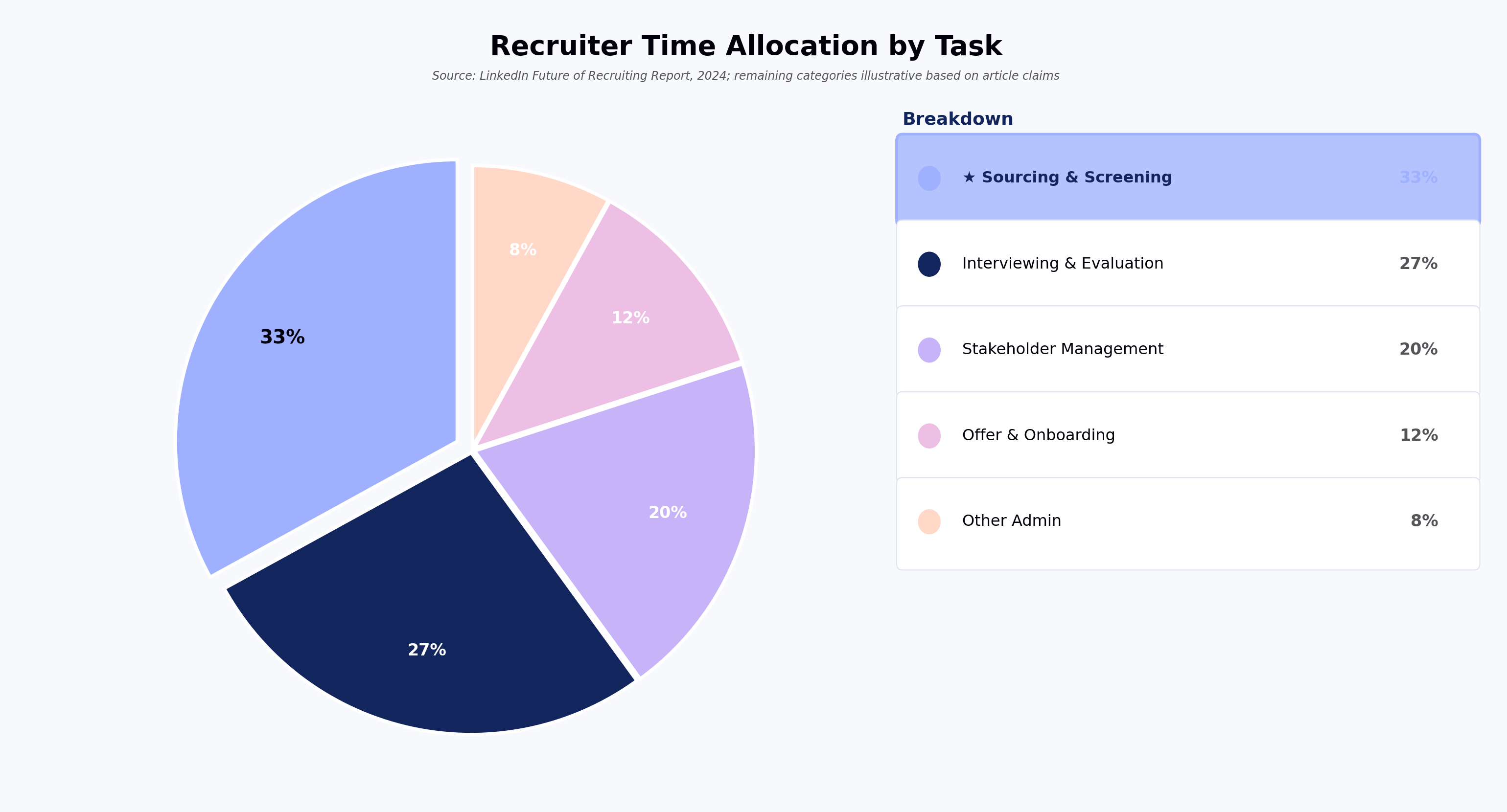
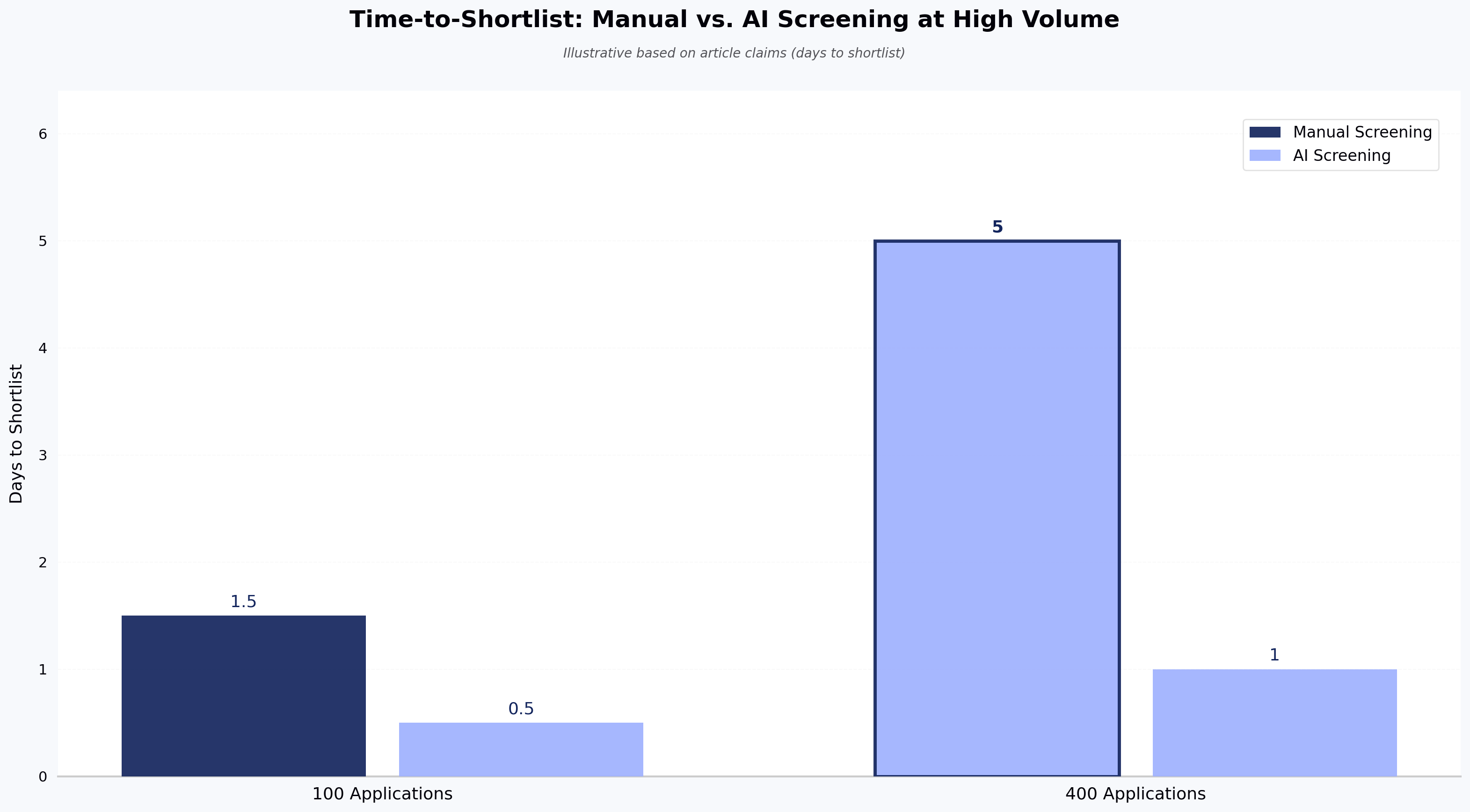
A sustainable sourcing engine rests on three pillars: proactive outbound recruiting, an employer brand strong enough to pull inbound interest, and a system for re-engaging your existing talent pipeline. The layer that ties them together is what we'll call the qualification layer — the point in your funnel where sourced candidates are validated against actual role requirements through skills assessments, structured screens, or work samples, before recruiter time is spent.
Without a qualification layer, high-volume sourcing overwhelms recruiters and buries good candidates. With one, sourcing tools can cast wide while recruiter time concentrates on validated shortlists.
Frequently asked questions
What is the best candidate sourcing strategy for tech roles?
The most effective candidate sourcing strategy for technical roles combines boolean search on GitHub and Stack Overflow with skills-based hiring challenges that produce ranked candidate pools. Resumes are weak signal for technical capability; demonstrated code and assessment results are stronger. Layer in employee referrals from engineering staff for senior roles, where public signal is thinner.
How do you source passive candidates in 2026?
You source passive candidates by engaging with their public work before pitching a role. Comment on their GitHub repos, respond to their posts on X or LinkedIn, and reference specific projects in your outreach. Sourcing tools like SeekOut, hireEZ, and LinkedIn Recruiter surface passive profiles; personalized, multi-touch outreach converts them.
What's the difference between sourcing and recruiting?
Sourcing is the proactive identification and engagement of potential candidates before they apply; recruiting covers the full hiring cycle from application through offer and onboarding. Sourcing feeds the top of the funnel; recruiting closes the bottom.
How many sourcing channels should a recruiter use?
Most recruiters get better results from three to five well-run sourcing channels than from ten shallow ones. Start with LinkedIn, employee referrals, and one skills-based channel (hiring challenges or a niche job board), then add channels only after measuring source-of-hire for a full quarter.
Are AI sourcing tools reliable?
AI sourcing tools are useful for narrowing large candidate pools and scoring skills assessments, but they can inherit bias from historical hiring data and should not make final decisions unassisted. Audit their outputs for adverse impact, understand what data the model was trained on, and keep human review at every rejection borderline.
How do you measure sourcing success?
Measure sourcing success on offers accepted per source, time-to-fill, and 12-month retention of sourced hires — not on volume metrics like profiles viewed or InMails sent. Volume metrics inflate easily; outcome metrics tell you whether your sourcing strategy is actually working.
Next steps: see it in action
HackerEarth supports the sourcing pillars above through two specific products: Hiring Challenges, which generate ranked candidate pools from timed, role-specific assessments, and OnScreen (launched April 2026), which applies AI to evaluate technical assessment responses and flag strong candidates for recruiter review. Together, they act as the qualification layer between broad sourcing and recruiter time.
Ready to build a stronger technical sourcing pipeline? Schedule a demo with HackerEarth to see how Hiring Challenges and OnScreen fit into your existing ATS workflow.
Editor's note: An in-body visual illustrating the sourcing funnel (top-of-funnel channels → qualification layer → recruiter shortlist) should be added before publication to meet the length-based visual requirement.