In 2026, companies are facing a new hiring challenge: there are more job applications than ever, but it’s still hard to find people with the right skills. The traditional way of hiring, where you wait for a job to open before searching, slows things down. The Society for Human Resource Management (SHRM) reports that 56% of recruiting leaders identify talent shortages as their biggest challenge, and one in five consider it a serious economic concern. Unfilled jobs can cost businesses an average of $500 per day in lost productivity. To solve this, more organizations are using proactive candidate pipelining to reduce hiring costs and speed up the process.
Understanding the architecture of a talent pipeline
A talent pipeline is more than just a collection of resumes. It’s a way to build relationships with potential candidates, even when there are no immediate job openings. By engaging with people early, companies have a group of qualified candidates ready when a job opens. It’s important to know the difference between a talent pool and a talent pipeline. A talent pool is typically a database of names and contacts gathered from past applicants or referrals. A talent pipeline is an active group of people being considered and prepared for specific roles.
Pipelining is about building relationships, not just filling jobs quickly. This approach helps recruiters move away from rushing to fill roles and instead focus on finding top-quality candidates who may not be actively looking for a job. By building connections early, companies don’t have to rely on luck to find the right person when a position opens.
The economic imperative: Cost and time efficiency in 2025
Rising hiring costs are making companies turn to pipelining. In 2025, hiring someone in the U.S. ranges between $4,000 and $5,000, while technical roles often exceed $6,000. Engineering and tech hires can reach up to $9,000, and executive searches may cost close to $15,000. These costs include job ads, recruiter pay, interviews, and training. Companies using skills-based pipelining platforms have cut their recruitment costs by 30%.
Time-to-fill has changed as well. Now, it takes about six weeks on average to hire for both executive and non-executive roles, which is faster than before. In healthcare, it takes about 49 days, and government or defense jobs can take up to 60 days because of strict screening. Building a pipeline helps companies hire much faster. Some have reduced their hiring process from 170 days to just 60, giving them a big advantage in landing top talent before competitors.
Defining the target audience for pipeline implementation
Large companies have used talent pipelines for a while, but small and mid-sized tech firms, especially in SaaS or product sectors, can benefit just as much. For startups, building a pipeline on a tight budget is essential. Hosting technical workshops or sharing detailed blog posts about real challenges can attract people who care about making an impact, not just big events. HR professionals, talent managers, and recruiters each have a role in managing the pipeline. General HR staff often focus on roles that are consistently in demand, while specialized recruiters look for hard-to-find skills. Hiring managers are also important because they help define what the ideal candidate looks like.
Step 1: Connecting talent needs to the business strategy
A strong pipeline starts with workforce planning. This means ensuring hiring goals align with the company’s broader plans, such as launching new products or expanding into new markets. Recruiters need to think ahead and hire for the challenges the company is expected to face in the coming year. This requires a comprehensive review of current capabilities and future skill requirements.
A skills gap analysis examines the difference between what employees can do now and what the company needs to succeed. Based on this, HR can choose to train current staff, hire new people, or bring in freelancers and contractors. The 2025 In-Demand Skills report shows that 29% of top executives see freelancers as essential, so today’s pipelines should include flexible talent as well as permanent hires.
Step 2: Mapping the ideal candidate profile and pipeline segments
Once you know what’s needed, recruiters should define what makes someone successful in each role. This means creating a success profile that covers key behaviors, motivations, and company values, not just job duties. Recruiters can build candidate personas by talking to top employees and reviewing hiring data.
These profiles should focus on skills instead of job titles. Studies show that looking for transferable skills gives you access to a larger and more flexible group of candidates. It’s also important to include diversity and inclusion by writing job descriptions that avoid biased language. Recruiters should organize the pipeline into groups such as 'ready now,' 'ready in 6-12 months,' or 'high potential,' so they can engage each group appropriately.
Step 3: Building and filling the pipeline through sourcing and branding
To fill the pipeline, recruiters should use several channels and prioritize the channels that deliver the strongest results. Direct outreach to candidates is five times more likely to result in a hire than waiting for people to apply through job boards. In 2025, job boards and social media bring in about half of all applications but less than a quarter of hires, which shows that just posting jobs isn’t very effective.
Effective sourcing channels include:
- Employee referrals: These often lead to faster, more cost-effective hires who fit the company culture well.
- Niche communities: Engaging with developers on platforms like GitHub or in technical chats on Discord allows recruiters to find talent in the places they actually congregate.
- Alumni networks: Reconnecting with former employees who may be interested in returning or referring others.
- Employer branding: A strong brand acts as a passive sourcing engine. Sharing employee spotlight content, which is 3 times more credible than a CEO's voice, can generate 800% more engagement than standard brand accounts.
Employer branding should show company culture with real videos, 'day in the life' blogs, and clear details about pay and benefits. Companies that are open about salaries or have a clear employee value proposition are much more attractive to top candidates who aren’t actively looking for a job.
Step 4: Engagement and the science of warming the pipeline
A pipeline only works if candidates stay interested and engaged. It can take up to eight interactions with your brand before someone decides to join. Engagement should feel personal and genuine, treating each candidate as an individual and not just a name on a list.
Some of the best ways to keep candidates engaged are through virtual talent events and 'chat & learn' webinars. These online events convert candidates 2.6 times better than in-person ones and save companies about $42,000 per event. Another good tactic is to reconnect with strong candidates who just missed out on a job, so they stay interested in future roles. Using mobile-friendly communication is also important, as texting between candidates and employers has increased by 74% recently. Job seekers today prefer quick, conversational contact.
Step 5: Metrics and the math of pipeline coverage
To prove that a talent pipeline works, recruiters need to track key metrics. One important measure is the application-to-interview conversion rate. While the industry average is about 12-15%, top companies reach over 18% by targeting the right candidates. Time-to-hire has also improved with better technology, dropping from 41 days in 2024 to 33 days in early 2025 for the best teams.
One of the most critical metrics for future-proofing is the pipeline coverage ratio. Adapted from sales operations, this ratio compares the volume of opportunities in the pipeline to the revenue or hiring targets. In a recruitment context, the formula is:

The best coverage ratio depends on how often your interviews lead to hires. For example, if you hire 25% of the people you interview, you need a ratio of at least 4 to hit your goals. Sales and technical roles often need higher ratios, like 3 to 5, because they take longer to fill. Entry-level roles can work with a ratio of 2 to 3.
If your coverage ratio is below 2, it’s a warning sign that you may not be reaching enough good candidates or your goals are too high. If it’s above 5, your pipeline might be full of candidates who are unlikely to move forward or are stuck in the process.
The role of technology: Leveraging HackerEarth for technical pipelines
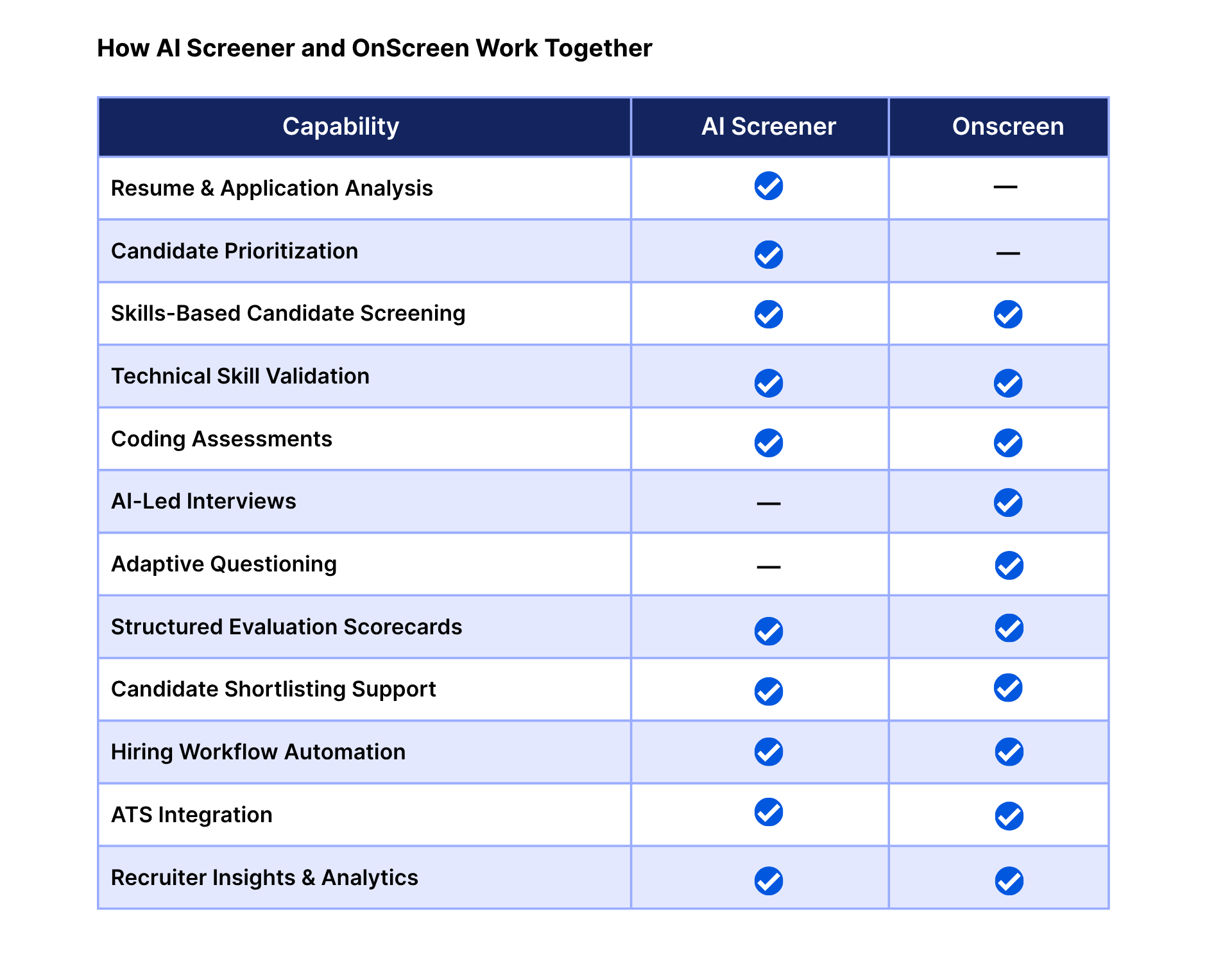
For tech hiring, platforms like HackerEarth are essential for finding and assessing candidates. HackerEarth connects recruiters to over 9.6 million developers worldwide, making it easy to post jobs and reach a wide range of interested candidates.
HackerEarth features support three primary use cases:
- Tech-talent sourcing: Using global hackathons and university hiring challenges to engage developers in real-world coding problems.
- Passive candidate nurturing: Built-in tools for automated email campaigns and CRM integrations help maintain long-term relationships without overwhelming the team.
- Internal mobility: The platform’s learning and development modules allow companies to identify skill gaps within their current workforce and provide structured training paths for upskilling.
Automated monitoring and smart browser tools help keep the assessment process fair and reliable, which is important for building a trustworthy pipeline.
Internal mobility and the "succession" pipeline
One part of the talent pipeline that’s often missed is the internal workforce. In 2025, 35% of companies used an internal talent marketplace, up from 25% the year before. Training current employees saves money and keeps them engaged, since they already know the company well.
Managing an internal pipeline involves:
- Succession planning: Identifying critical roles and forecasting gaps caused by departures or growth.
- Internal mobility: Regularly posting roles internally and offering cross-departmental opportunities to broaden employee skill sets.
- Coaching and mentoring: Pairing potential successors with experienced leaders to accelerate their development.
Investing in your own employees lowers the risk that comes from depending only on outside hires. People promoted from within usually get up to speed faster and stay with the company longer than new hires.
Common mistakes that derail candidate pipelines
Even with a good plan, pipelines can fail if basic recruiting steps are missed. One common mistake is waiting until a job opens to start looking for candidates. This reactive approach often means hiring the first available person instead of the best one. Another mistake is making big lists of names but not staying in touch, which leads to a cold pipeline that doesn’t respond when you need it.
A poor candidate experience, such as "ghosting" or lack of feedback, can seriously damage an employer's brand. 60% of candidates who have a negative experience will share that impression with others, making future pipelining even harder. High-performers often have multiple offers and will drop out of a pipeline if it is disorganized or slow.
The future of talent acquisition: AI and automation
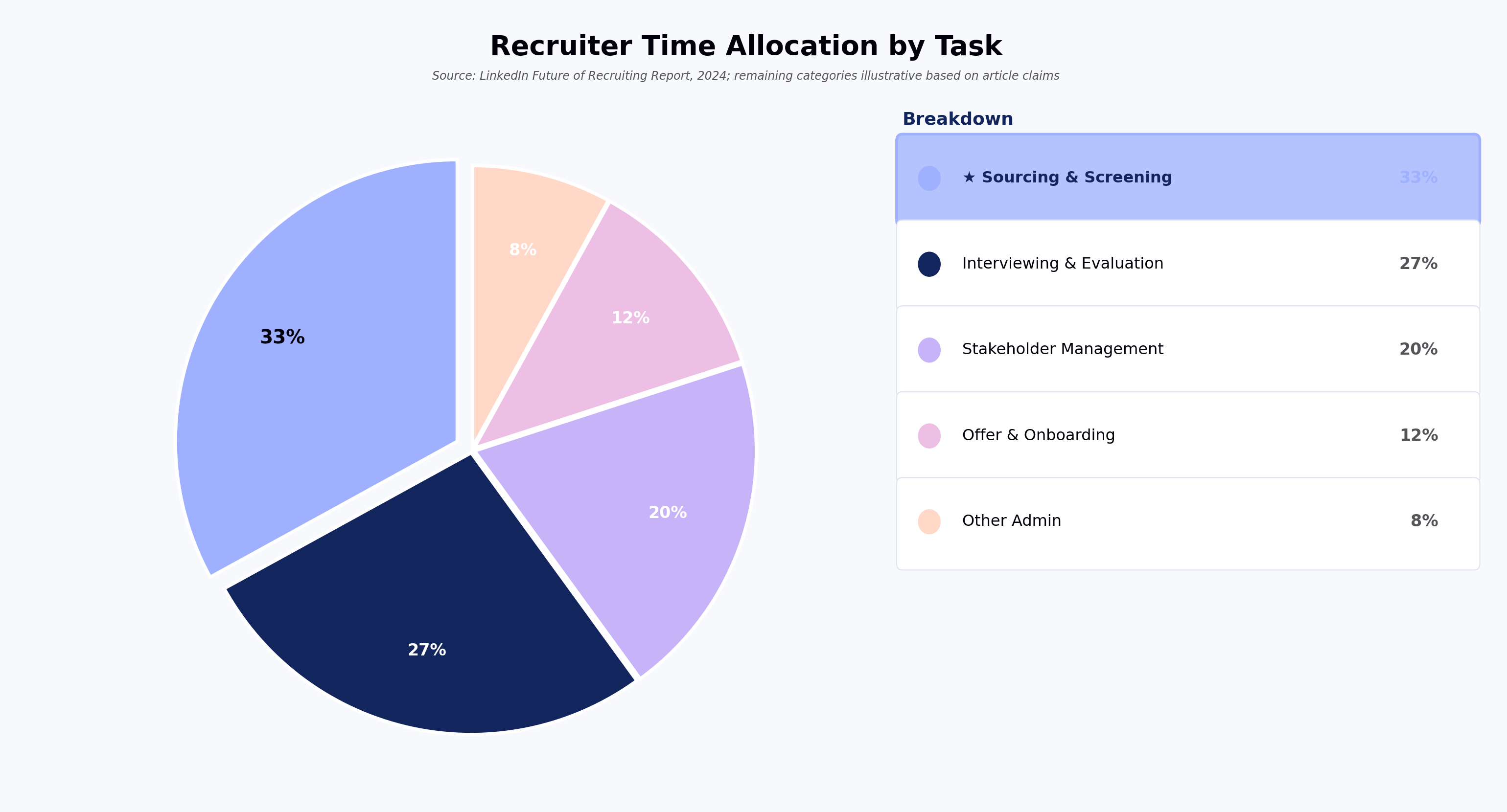
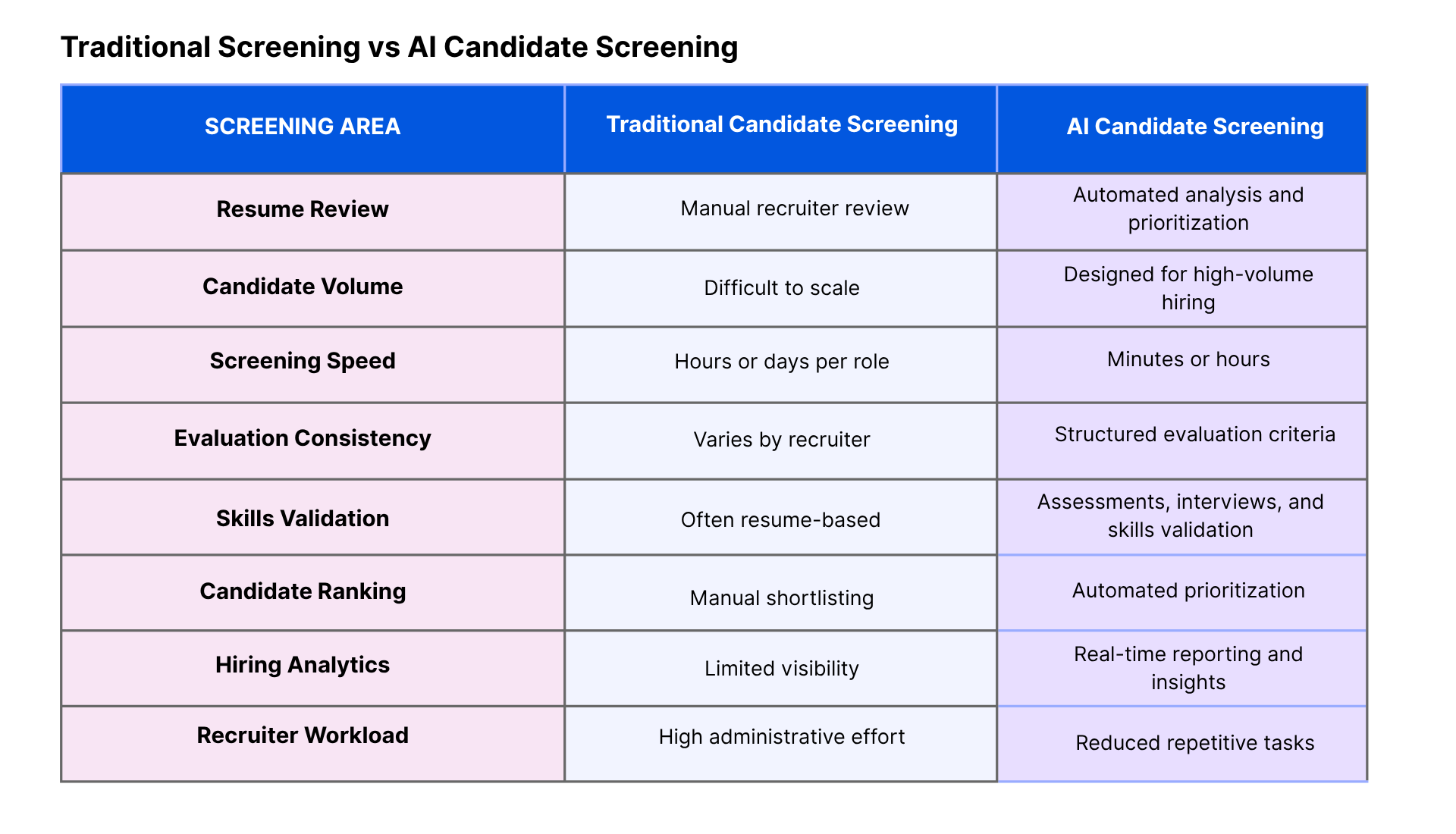
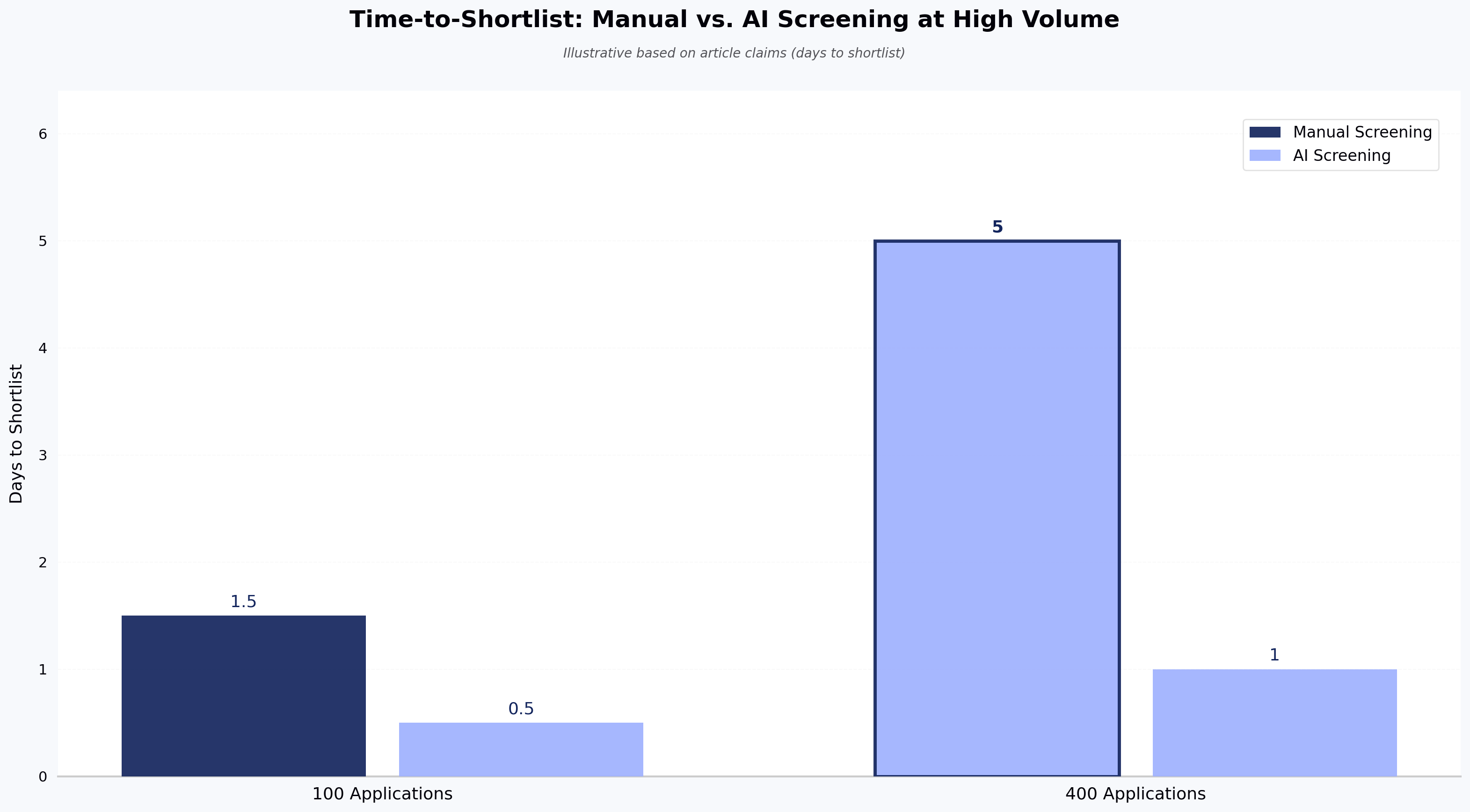
AI is changing how recruiting works. Teams are getting smaller, dropping from 31 people in 2022 to 24 in 2024, but each recruiter is handling 56% more job openings. In this environment, using AI and automation is a must. These tools can now take care of repetitive tasks like scheduling interviews, screening resumes, and sending personalized messages.
Today’s platforms can automatically check whether candidates meet job requirements using AI, allowing recruiters to spend more time on important conversations and building relationships. These tools also offer predictive analytics to help companies plan for future hiring needs. Looking ahead to 2026, the best talent pipelines will combine smart automation with personal, human interaction.
Using specialized platforms like HackerEarth helps ensure your pipeline is filled with top, pre-screened talent. Whether you’re hiring from outside or promoting from within, a good pipeline is a long-term investment that boosts your company’s flexibility and overall performance. Recruiters who use this approach won’t have to scramble for talent. They’ll have a steady stream of great candidates ready to help the company grow. Building a pipeline isn’t a one-time job; it’s an ongoing effort that shows commitment to both excellence and respect for candidates.