The Complete Guide to Coding Assessment Tests for Hiring [2026]: Types, Tools & Best Practices
A coding assessment test (also called a programming assessment test) is a standardized evaluation that measures a candidate's programming skills through real coding tasks, algorithm challenges, or project-based exercises before or during the hiring process. The U.S. Department of Labor estimates a bad technical hire costs at least 30% of first-year salary, and the core reason most technical hires fail is not a skills gap that appeared after joining - it is that the hiring process never actually measured skills to begin with. Over 70% of tech recruiters report regularly receiving unqualified applicants, which means the default screening process is not catching the problem early.
A pre-employment coding test or coding test for hiring closes that gap by producing a measurable, comparable, documented signal about whether a candidate can do the work - not just talk about it. This guide covers every major assessment type, what to look for in a platform, implementation best practices, and where AI is taking the category next.
What Is a Coding Assessment Test?
If you want to know whether a developer can actually code, there is no substitute for asking them to write code. A coding assessment test sits between resume screening and live interviews in most hiring funnels, converting a large applicant pool into a qualified shortlist without requiring engineering time at that early stage.
The format can vary widely - online coding assessments, automated coding tests, project-based tasks, multiple-choice quizzes, or AI-scored async exercises - but what a coding skills assessment or technical screening test shares, regardless of format, is standardization: every candidate faces the same criteria, scores can be compared directly, and results do not depend on which interviewer happened to show up.
How Coding Assessments Differ from Traditional Technical Interviews
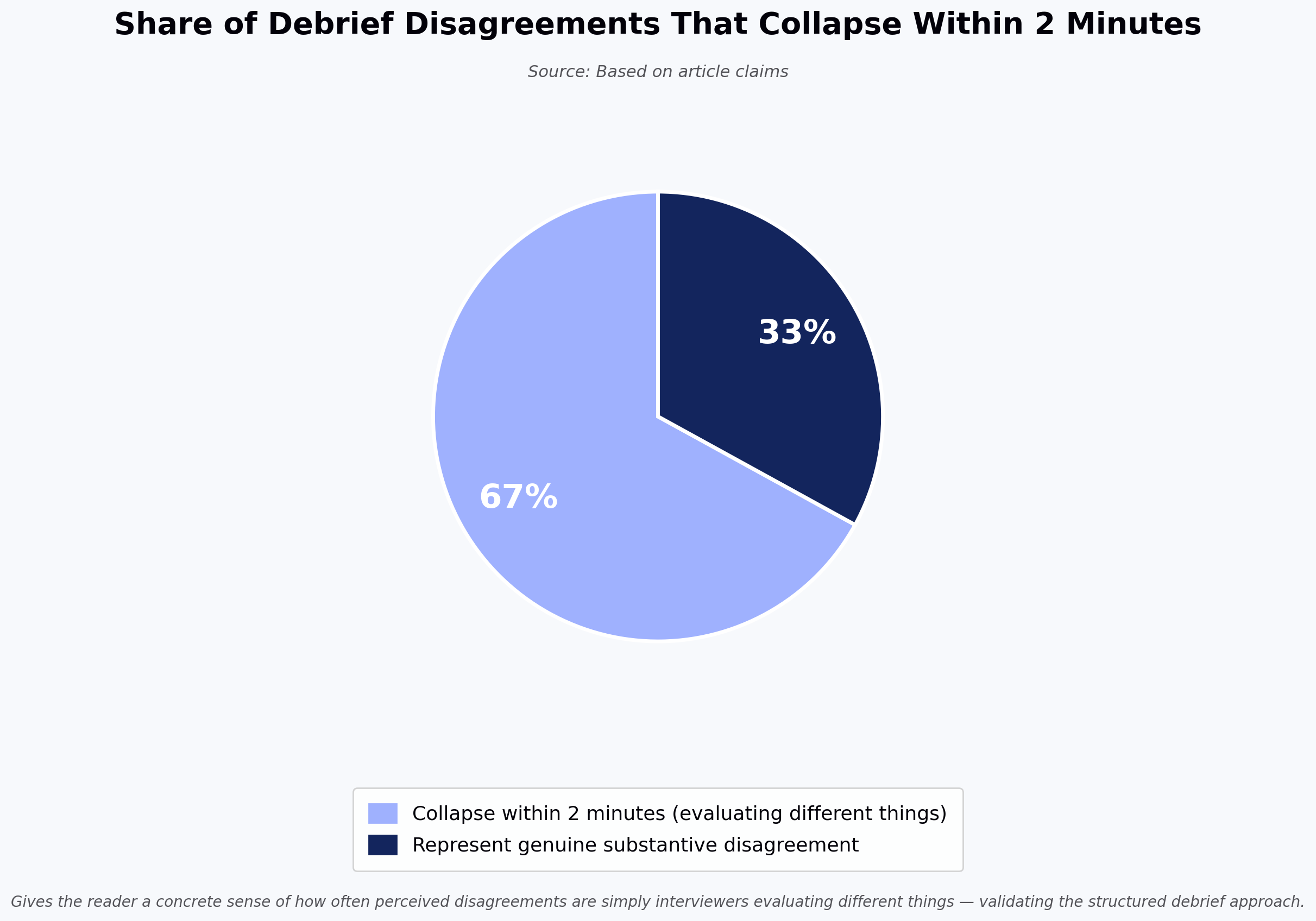
The traditional technical interview has a structural problem that most people politely avoid mentioning: two interviewers evaluating the same candidate for the same role will often reach opposite conclusions. That is not bias in the pejorative sense - it is the predictable result of an unstructured process.
Why Companies Rely on Coding Assessments in 2026
Three forces are converging. Technical assessments are up 48% globally since mid-2023 (CoderPad's 2026 State of Tech Hiring report), which means the manual review model no longer scales. As of 2024, 26% of paid LinkedIn job posts dropped degree requirements - a 16% increase from 2020 - which increases demand for the skills-based hiring coding test as an objective replacement for credential screening. And a standardized technical assessment for developers gives non-traditional candidates - bootcamp graduates, self-taught engineers, career changers - an equal shot that a resume review would routinely deny them.
Types of Coding Assessment Tests
Most hiring teams use the format they have always used rather than the format that fits the role they are actually hiring for. Whether you are running a coding evaluation test, a coding challenge for recruitment, or a take-home assignment, the choice should follow from what the job requires day to day - not from what is easiest to set up.
Algorithmic and Data Structure Challenges
A problem, a time limit, and a blank editor. These measure computational thinking, problem decomposition, and CS fundamentals.
Best for: junior to mid-level roles and high-volume top-of-funnel filtering.
Limitation: HackerRank's 2025 Developer Skills Report found 78% of developers say assessments do not align with real-world tasks and 56% find algorithm questions irrelevant to their jobs. Useful for certain roles; badly over-applied for many others.
Project-Based Assessments
Candidates build something that resembles actual work - a feature, a small application, an API integration. Scoring evaluates code quality, architecture, and end-to-end implementation.
Best for: mid to senior roles and full-stack positions where codebase structure matters as much as algorithmic correctness.
Limitation: Longer turnaround and more judgment required to score, even with rubrics. Worth it for senior roles; overkill for high-volume junior screening.
Real-World Simulation and Task-Based Tests
Candidates debug a failing function, review a pull request, or integrate a third-party API - tasks that mirror what the role actually involves. Performance on the assessment is a reasonable proxy for performance on the job.
Best for: roles requiring practical, production-ready skills where debugging and code review are daily activities.
Limitation: Requires more careful question design than algorithm challenges; the realism that makes these effective also makes them harder to template.
Multiple-Choice Technical Knowledge Quizzes
Conceptual questions about languages, frameworks, system design, or security. No live coding required.
Best for: high-volume initial screening where a coding aptitude test can filter for domain knowledge before investing in hands-on evaluation.
Limitation: A candidate can pass a JavaScript quiz without being able to build a React application. Use as a first filter, not a final signal.
Pair Programming and Live Coding Exercises
The candidate codes in real time alongside an interviewer. The signal includes not just the code produced but how the candidate communicates, handles ambiguity, and responds to feedback.
Best for: senior roles and team-oriented cultures where collaboration is as important as technical output.
Limitation: Scheduling overhead is significant, and the quality of the signal depends heavily on how well the interviewer runs the session.
Take-Home Coding Assignments
A project to complete in the candidate's own time, submitted within a 24 to 72 hour window. Removes the pressure of live observation and gives candidates space to produce work that represents their actual standard.
Best for: candidates who perform poorly under artificial time pressure and roles where code organization and documentation are core requirements.
Limitation: Completion rates are lower than timed assessments, candidates can be recruited away during the window, and the risk of external help is real without proctoring.
How to Design an Effective Coding Assessment Test
The biggest design mistake is building an assessment that tests what is easy to measure rather than what actually matters for the job. Two principles prevent this.
Start with a job analysis, not a question library. Document what the role requires day to day before selecting a single question. A backend engineer maintaining microservices needs different things than a data engineer building pipelines - a generic "software engineering" template measures neither well.
Use role-relevant problems. HackerRank's 2025 Developer Skills Report found 66% of developers prefer practical coding challenges over theoretical tests and 96% believe problem-solving should matter more than memorization. Assessments built around realistic problems score better on both candidate experience and predictive validity - the two things the assessment is actually for.
HackerEarth's technical assessment platform supports all six assessment formats with a 16,000+ question library, role-based templates, and AI-powered generation that builds a test from a job description in minutes - handling the design work that most teams do not have bandwidth to do well.
How to Choose the Right Coding Assessment Tool
The platform you choose shapes candidate experience and recruiter confidence more than the questions themselves. There is a long list of criteria that vendors will walk you through; these are the ones that actually determine whether the tool delivers value.
If your question library does not cover your tech stack, you will be writing questions from scratch before the tool is useful. Every developer assessment platform and set of code assessment tools should handle everything from a quick coding proficiency test to a multi-day project submission, with validated, role-specific content rather than generic question banks.
If the proctoring is too aggressive, honest candidates drop off. With 76% of developers using AI tools regularly (HackerRank 2024), single-method detection is insufficient, but surveillance-level proctoring alienates good candidates before they finish. The right approach layers webcam monitoring, tab-switch detection, keystroke analysis, and AI-specific plagiarism detection without making every candidate feel like a suspect.
If recruiters cannot read the results, the assessment produces data no one uses. Platforms that generate clear scorecards, skill-gap summaries, and ranked dashboards let non-technical recruiters make confident shortlisting decisions without needing an engineer in the room.
If the ATS connection is not tested and bidirectional, the time saved on scoring gets spent on manual data entry. Verify the integration works before signing.
For top online coding interview platforms comparisons that apply these criteria directly, the right choice is the platform that fits your hiring volume, your role types, and your recruiter's ability to act on the results.
Best Practices for Fair and Effective Coding Assessments
Fair assessments are a design problem, not just a values problem - and most failures are entirely predictable if you know what to look for.
Align Assessment Content With Actual Job Requirements
Document the link between assessment content and job requirements before deployment, not after a hiring decision is challenged. This improves predictive validity and creates legal defensibility - most employment discrimination frameworks require selection criteria to be demonstrably job-relevant. An algorithm challenge in a screening for a role where the engineer will spend 90% of their time on API integration is both a weaker predictor and a harder decision to defend.
Keep Assessments Short Enough to Respect Candidate Time
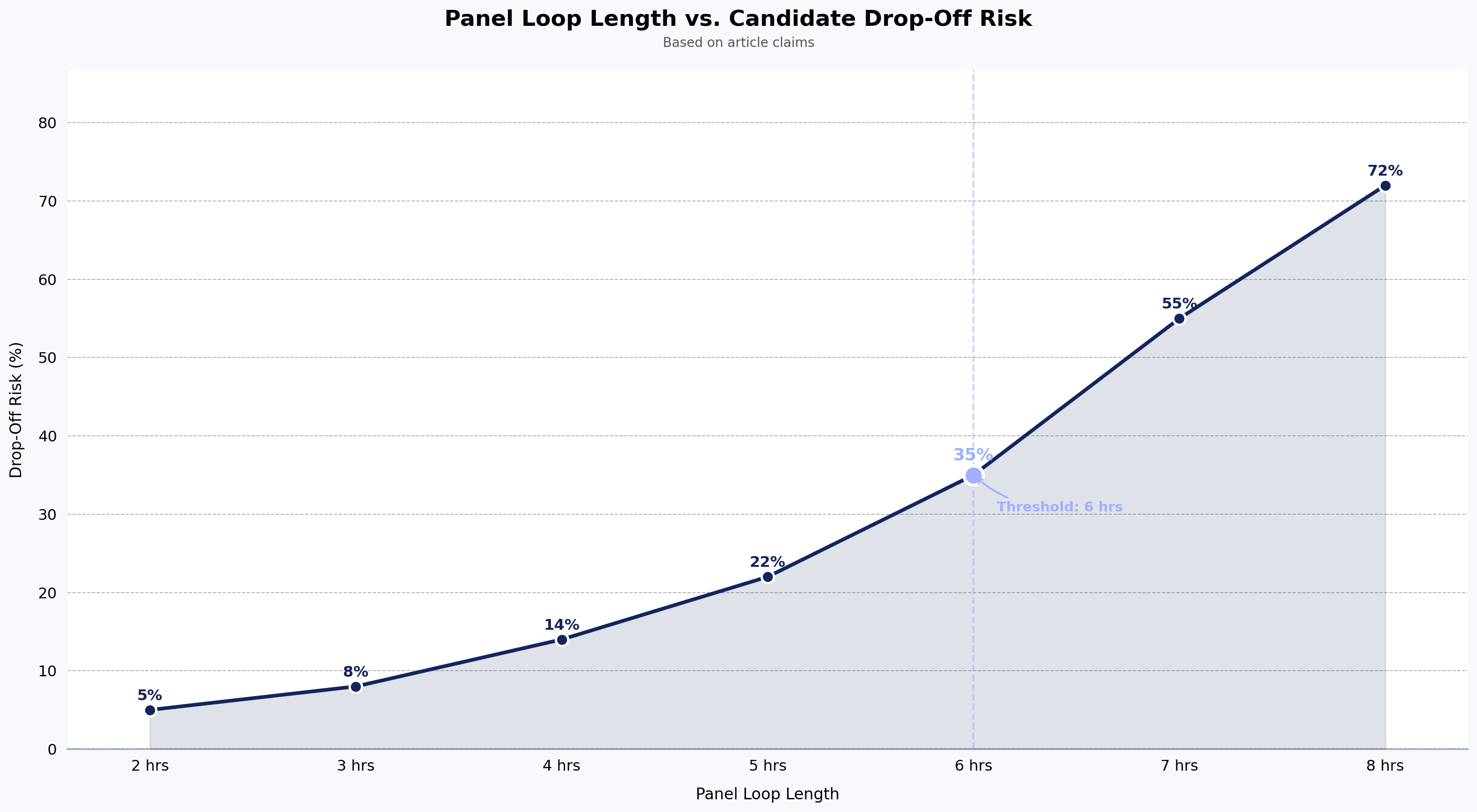
The candidates most likely to abandon an overlong assessment are the ones with the most options - exactly the people you want to retain in the funnel. Cap screening-stage assessments at 60 to 90 minutes and communicate the format, time limit, and evaluation criteria before the window opens. HackerEarth's resource on how to improve the candidate experience covers the specific decisions that reduce drop-off without sacrificing screening rigor.
Apply Anti-Cheating Measures Proportional to the Risk
Proctoring that treats every candidate as a suspect damages the employer brand without proportional integrity benefit. Layer methods rather than maximizing any one: webcam monitoring, tab-switch alerts, keystroke analysis, and AI-specific plagiarism detection each catch different patterns. Extend accommodations - extra time, alternative formats - to candidates with disabilities; this is a legal requirement in most jurisdictions and something most platforms handle by default. HackerEarth's remote proctoring for online assessments covers how to calibrate these settings by assessment type and risk level.
Combine Assessment Types for a Complete Picture
A single-format assessment gives a single-dimension view of a candidate. Companies combining automated screening with AI-driven interviews have reported 25 to 30% reductions in time-to-fill. A coding evaluation test paired with a structured interview closes the gap that neither method covers alone.
The Future of Coding Assessments: AI-Powered Evaluation
The most significant change in coding assessment is not a new format - it is AI handling the parts of the process that humans were bad at anyway.
AI-generated assessments are replacing manual question selection. Hiring teams describe a role and receive a ready-to-deploy test calibrated to the right seniority level, language stack, and evaluation dimensions - removing the most time-consuming part of assessment program management without reducing quality. AI-scored evaluations have expanded beyond pass/fail on test cases; newer engines evaluate code quality, efficiency, and design decisions, producing feedback that previously required an engineer to read every submission.
Async AI-driven interviews are replacing first-round phone screens. HackerEarth's AI Interview Agent handles that first technical conversation without live scheduling - candidates respond on their own schedule, AI evaluates against defined criteria, and recruiters skip the bottleneck that consistently extends time-to-hire. With 42% of organizations already using AI in technical assessments, this is not a future capability; it is a current competitive gap between teams that have adopted it and those still running phone screens.
Conclusion
A well-designed technical hiring assessment is not a bureaucratic hurdle. When structured correctly, a coding assessment test is the most reliable signal most hiring teams have access to about whether a candidate can actually do the job.
The key decisions are the same ones this guide covers: choose the format that reflects what the role requires, keep length proportional to the stage, apply proctoring that protects integrity without alienating honest candidates, and treat assessment results as one input among several rather than a standalone gate.
For teams ready to implement or improve a coding assessment program, explore HackerEarth's technical assessment platform to see how automated assessments, live coding interviews, and AI-driven screening can work together in a single, integrated pipeline.
Frequently Asked Questions
What is a coding assessment test?
A coding assessment test is a standardized evaluation that measures a candidate's programming skills through real coding tasks, algorithm challenges, or project-based exercises - used to objectively screen technical talent before or during the interview process. It is one of the few hiring methods that produces a comparable, documented record of actual performance rather than interviewer impression.
How long should a coding assessment test take?
Most effective screening-stage assessments run between 60 and 90 minutes - short enough to respect candidate time, long enough to generate useful signal. In practice, the teams that see the best completion rates are the ones that communicate what to expect before the test window opens, not just set the clock and wait.
What types of coding assessment tests are there?
The six main formats are algorithmic and data structure challenges, project-based assessments, real-world simulation tests, multiple-choice technical quizzes, pair programming exercises, and take-home assignments. Choosing among them based on role requirements rather than convenience is the decision that most determines whether the assessment is worth running.
Are coding assessment tests fair to all candidates?
Standardized, blind-scored assessments reduce the credential and first-impression bias that dominate resume screening, giving non-traditional candidates a real shot based on demonstrated ability. The fairness caveat is that poorly designed or irrelevant questions introduce different distortions - a coding skills assessment built on job-relevant problems is meaningfully fairer than one recycled from a generic question bank.
Can non-technical recruiters use coding assessment platforms?
Yes - modern platforms like HackerEarth produce automated scorecards, ranking dashboards, and plain-language skill-gap summaries that let recruiters shortlist candidates without needing a coding background. The honest constraint is that interpreting edge cases and nuanced scores still benefits from an engineering manager in the review loop.
How do coding assessments prevent cheating?
Effective platform layer webcam monitoring, tab-switch alerts, keystroke analysis, IP tracking, and AI-specific plagiarism detection - with each method catching different patterns of violation. The practical question is calibration: enough oversight to catch genuine violations, not so much that the experience drives honest candidates out of the funnel before they finish.