Home
/
Blog
/
AI Recruiting
/
5 Habits That Make You Stand Out at Work

5 Habits That Make You Stand Out at Work

Author
Simran Dhawan
Calendar Icon
May 7, 2026
Timer Icon
3 min read
Share

Explore this post with:

5 Habits That Make You Stand Out at Work

Standing out at work is not always about doing more. In many cases, professional success comes down to how you think, communicate, and respond under pressure.

Employees who consistently stand out in the workplace are often the ones who remain calm in difficult situations, communicate with clarity, and bring thoughtful input into conversations. These workplace habits build trust, improve leadership presence, and create long-term career growth opportunities.

The good news is that these are not natural talents reserved for a few professionals. They are habits that can be practiced, improved, and strengthened over time.

For professionals looking to improve workplace communication skills, leadership qualities, and career development, the following habits can make a significant difference.

1. Pause Before You React

One of the most important professional habits is learning how to respond calmly instead of reacting instantly.

When something goes wrong at work, the natural instinct is often to answer immediately. However, fast reactions do not always lead to effective communication or strong decision-making.

Taking a moment to:

  • Understand the situation
  • Gather context
  • Process information carefully
  • Think through your response

can help professionals communicate more clearly and avoid unnecessary confusion.

In high-pressure workplace environments, calm responses often leave a stronger impression than rushed reactions.

Professionals who stay composed during stressful moments are frequently seen as more reliable, emotionally intelligent, and leadership-ready.

2. Give Yourself Time to Think

Not every workplace question requires an instant answer.

Saying:

“Let me think about that.”

can actually make you sound more confident and thoughtful.

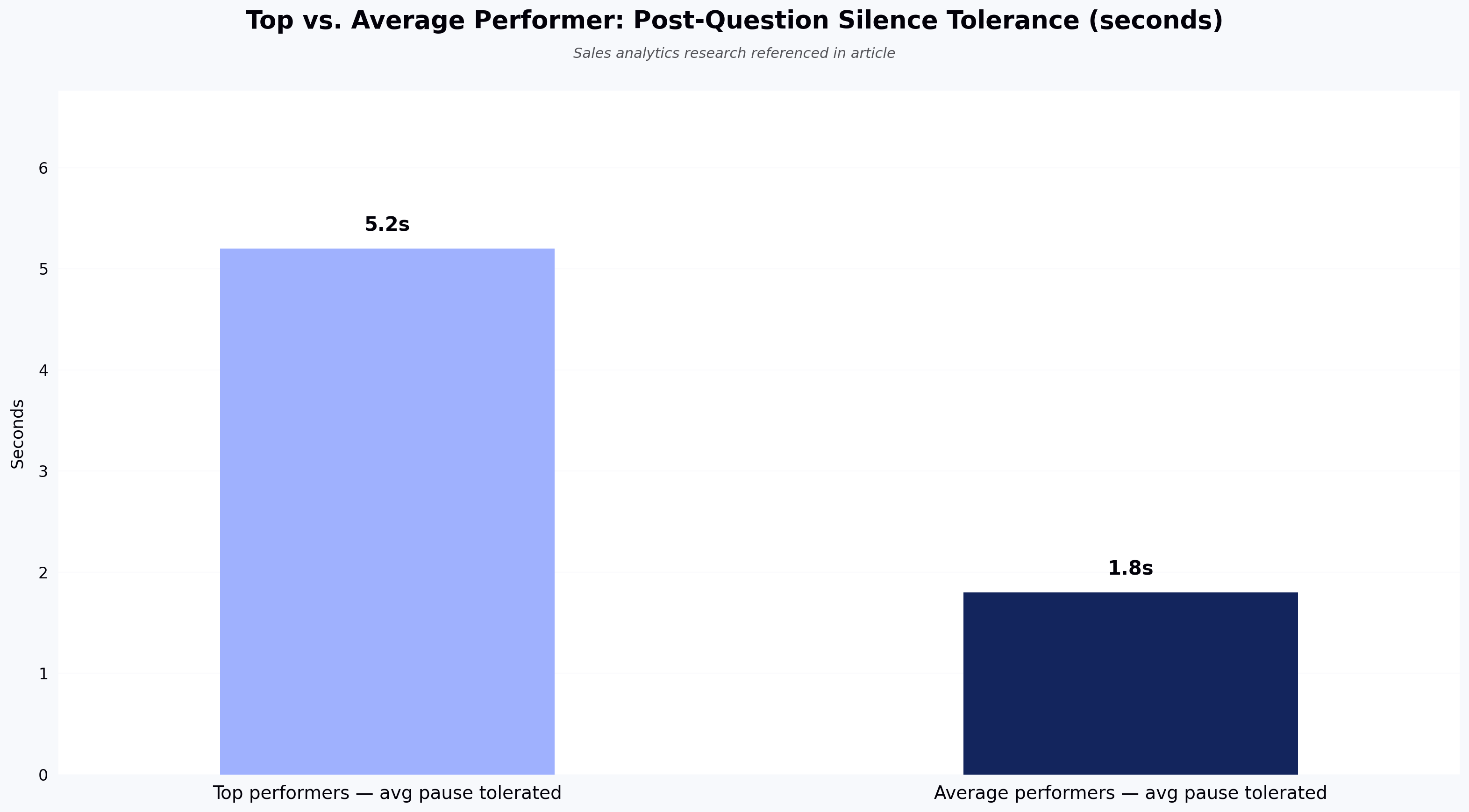
This simple communication habit shows that you value clarity and accuracy instead of speaking just to fill silence.

In:

  • Team meetings
  • Leadership discussions
  • Job interviews
  • Client conversations
  • Stakeholder presentations

taking time to think can improve both the quality of your response and the way people perceive your judgment.

Strong professionals are often recognized not for how quickly they respond, but for how thoughtfully they process information and communicate ideas.

This is a critical workplace communication skill that improves professional credibility over time.

3. Get Comfortable With Silence

Silence makes many people uncomfortable.

As a result, professionals often rush to fill every pause during meetings, interviews, or conversations.

But silence can actually improve communication effectiveness.

A short pause gives you time to:

  • Organize your thoughts
  • Deliver stronger responses
  • Improve clarity
  • Communicate with more intention
  • Reduce unnecessary overexplaining

Professionals who are comfortable with silence often appear:

  • More composed
  • More self-assured
  • More confident under pressure
  • Better at executive communication

especially in high-stakes professional situations.

Learning how to stay calm during silence is an underrated but valuable professional development skill.

4. Ask One Thoughtful Question

You do not need to speak the most to stand out at work.

Sometimes, one thoughtful question creates more impact than a long explanation.

Thoughtful questions can:

  • Reveal blind spots
  • Improve team discussions
  • Encourage strategic thinking
  • Demonstrate leadership potential
  • Show strong critical thinking skills

Employees who ask meaningful questions are often viewed as more engaged, analytical, and solution-oriented.

This is one of the fastest ways to leave a memorable impression in workplace conversations and professional meetings.

Strong leaders are not only recognized for giving answers.

They are also recognized for asking the right questions.

5. Keep Your Communication Clear and Concise

One of the most valuable workplace skills is clear and concise communication.

Overexplaining can weaken even strong ideas.

Professionals who stand out in the workplace are often the ones who communicate with structure, simplicity, and clarity.

They focus on:

  • What matters
  • Why it matters
  • What action is needed

without adding unnecessary complexity.

Clear communication improves:

  • Workplace collaboration
  • Leadership presence
  • Team alignment
  • Professional confidence
  • Decision-making conversations

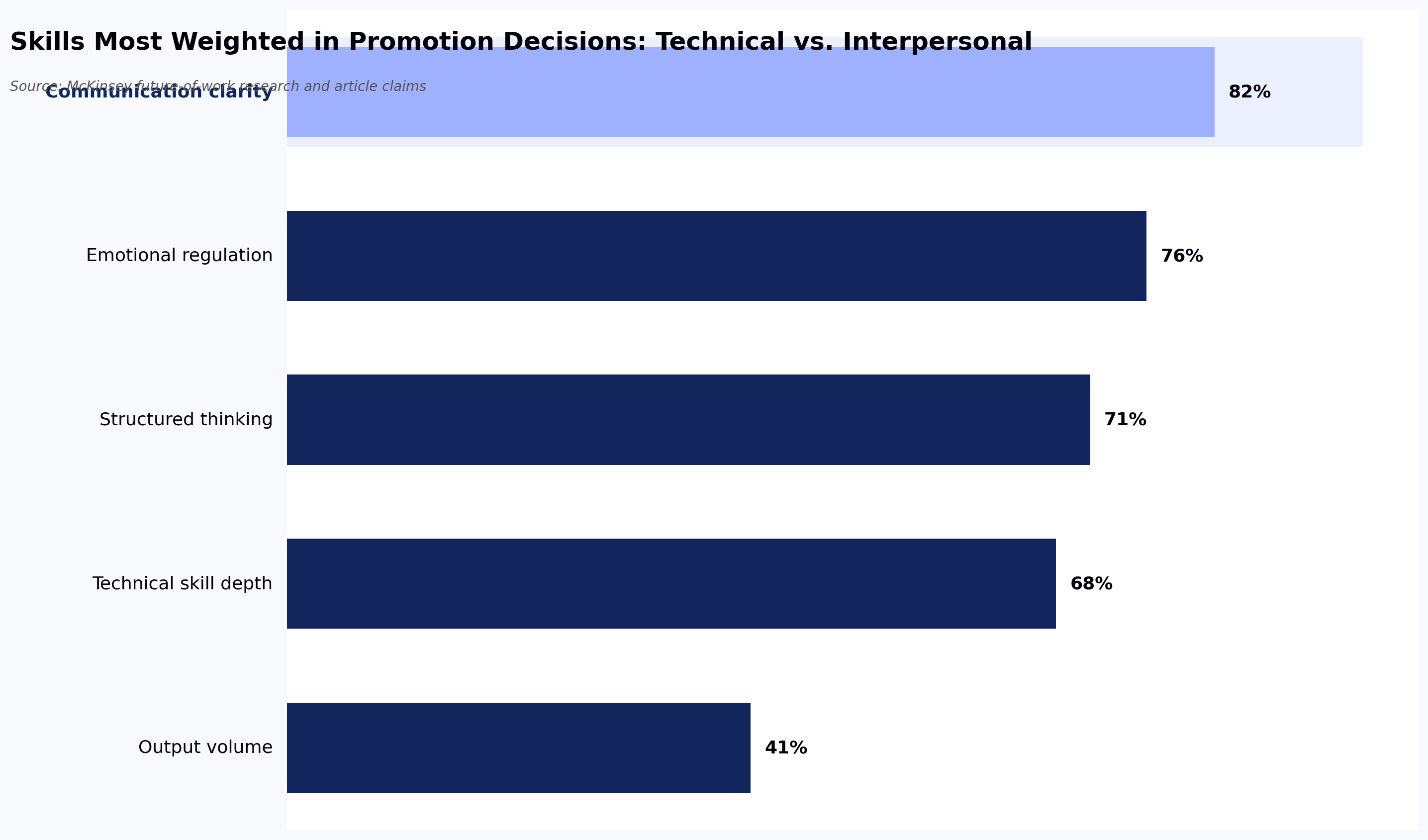
In modern workplaces, communication skills are often just as important as technical expertise.

The ability to explain ideas clearly is a major differentiator for career growth and leadership development.

Why These Workplace Habits Matter

These habits sound simple, but they become difficult to apply when the pressure is real.

In:

  • Job interviews
  • High-pressure meetings
  • Leadership conversations
  • Workplace conflict situations
  • Client presentations

people often rush, overtalk, or respond before fully thinking through the situation.

That is why practice matters.

Professional communication skills improve through repetition, structured feedback, and realistic practice environments.

Employees who consistently practice these habits often become more confident communicators and stronger workplace contributors over time.

Practice Before the Pressure Is Real

If you want to improve how you think and communicate under pressure, you need opportunities to practice those moments before they actually matter.

HackerEarth OnScreen (AI Interviewer) helps professionals build workplace communication skills, interview confidence, and structured thinking through realistic AI-led interview experiences.

The platform helps professionals:

  • Practice answering questions clearly
  • Improve communication under pressure
  • Structure thoughts effectively
  • Build interview confidence
  • Develop executive communication skills
  • Get comfortable with pauses and silence
  • Improve professional speaking habits

It is not only designed for interview preparation.

It also helps professionals strengthen the workplace habits that improve career growth, leadership readiness, and communication confidence.

👉 Try HackerEarth OnScreen and practice the habits that help you stand out when it matters most.

Final Thought

Standing out at work is not about being the loudest person in the room.

It is about being:

  • Thoughtful
  • Clear
  • Calm under pressure
  • Confident in communication
  • Intentional in your responses

Professionals who consistently develop these habits often build stronger workplace relationships, better leadership presence, and long-term career success.

And the more you practice these habits, the more naturally they appear in the moments that shape your professional growth and career opportunities.

Subscribe to The HackerEarth Blog

Get expert tips, hacks, and how-tos from the world of tech recruiting to stay on top of your hiring!

Author
Simran Dhawan
Calendar Icon
May 7, 2026
Timer Icon
3 min read
Share

Hire top tech talent with our recruitment platform

Access Free Demo
Related reads

Discover more articles

Gain insights to optimize your developer recruitment process.

Technical Skills Assessment for Hiring | HackerEarth

10 best technical screening services to evaluate developer skills in 2026

Technical screening services are platforms that evaluate candidates' programming, debugging, and system design skills through standardized or customizable tests — before recruiters or engineers commit time to interviews. For teams hiring developers at any volume, these technical screening services have become the filter between an applicant pool and an interview calendar, replacing resume-based guesswork with measurable signal.

A bad technical hire costs at least 30% of that employee's first-year salary, according to a frequently cited U.S. Department of Labor figure, and that number assumes a clean exit. For senior engineering roles, the real damage — in team disruption, re-hiring time, and lost momentum — runs considerably higher. The problem is not just that bad hires happen. It is that most hiring processes are built on signals that do not actually predict whether someone can write code: resumes measure career history, unstructured interviews measure how well people interview.

This guide covers 10 technical screening services evaluated on assessment depth, AI capabilities, proctoring, candidate experience, ATS integrations, and pricing — for recruiters and hiring managers who want faster, more defensible technical hiring decisions.

What are technical screening services?

The simplest way to think about technical screening services is as the filter between your applicant pool and your interview calendar. Also called developer screening services, technical evaluation services, or programming assessment tools, these platforms evaluate candidates' programming, system design, and debugging skills through standardized or customizable tests — online coding tests for hiring, project-based tasks, live collaborative sessions, or AI-scored async video interviews — before any recruiter or engineer has to get on a call.

The distinction from generic pre-employment testing matters: a personality test will not tell you whether a candidate can debug a memory leak, and a cognitive assessment will not tell you whether they can design a REST API. Technical screening services are built specifically for code.

How we evaluated these technical screening platforms

Each platform in this list was evaluated both as a developer assessment software solution and as a technical screening service, across eight criteria:

  • Assessment library depth and customization
  • AI and automation features
  • Anti-cheating and proctoring capabilities
  • Candidate experience and interface quality
  • ATS and HRIS integrations
  • Pricing model transparency
  • Scalability for enterprise vs. SMB
  • Reporting and analytics
Platform Best For Key Assessment Types AI Features Integrations Free Trial
HackerEarth Enterprise developer hiring at scale Coding, MCQ, system design, live coding AI assessment generation, AI-driven async interviews (OnScreen); proctoring available separately Greenhouse, Lever, Workday, iCIMS Contact vendor
HackerRank Enterprise with dedicated tech recruiting Coding, take-home, CodePair live AI plagiarism detection, AI interviewer Greenhouse, Lever, Workday Yes (14-day)
Codility Task-based algorithmic screening CodeCheck, CodeLive, algorithmic tasks AI-assisted engineering assessment Greenhouse, Lever, custom API Yes
CodeSignal Standardized benchmark scoring Certified assessments, IDE-based coding AI scoring engine, question leak mitigation Greenhouse, Lever, Workday Yes
CoderPad Live pair programming interviews Live coding, take-home, 30+ languages Limited AI features Greenhouse, Lever, iCIMS Free plan
TestGorilla Broad pre-employment tech + non-tech Coding, cognitive, personality, video Anti-cheating, video responses Greenhouse, Lever, Workday Yes
iMocha Hiring + internal upskilling combined 3,000+ skill tests, AI-LogicBox coding AI skills inference, talent analytics Greenhouse, Workday Free plan
Coderbyte Startups and SMBs, junior to mid-level 300+ coding challenges, custom tests Basic plagiarism detection Limited Yes (14-day)
DevSkiller Project-based realistic work simulation Project tasks, auto-scoring, tech-specific Automated scoring Greenhouse, Lever, ATS API Yes
Vervoe AI auto-ranking, reduced manual review Tasks, simulations, custom, video responses AI auto-grading, AI candidate ranking Greenhouse, Lever Yes

1. HackerEarth

Overview

HackerEarth is worth considering when you want async screening and live interviews in one place rather than running two separate products for the same hiring pipeline. Trusted by 500+ global enterprises including Google, Microsoft, Elastic, Flipkart, and Brillio, it covers the full developer screening workflow without requiring coordination between tools.

Key features

The assessment library spans 1,000+ skills across 40+ programming languages, which means a developer skills assessment for almost any role type — front-end, back-end, DevOps, data science, machine learning — can be built without writing questions from scratch. Hiring teams can pull from the library or use AI-powered assessment generation, which uses a job description as input to draft questions matched to the role; the output is editable, and human review is recommended before deployment. HackerEarth's technical assessment platform handles multiple-choice questions and open-ended coding challenges in the same session.

FaceCode, HackerEarth's live coding interview product, gives interviewers a collaborative coding environment with real-time evaluation; for a deeper review of live coding interview platforms compared, HackerEarth maintains a category overview. OnScreen, HackerEarth's AI-driven async interview product launched in April 2026, runs first-round screens on the candidate's own schedule, removing the scheduling step that typically extends time-to-hire at volume. OnScreen scores responses against rubric criteria; final hiring decisions remain with the human reviewer. Proctoring runs image, audio, and video monitoring simultaneously with full session replay. Native ATS integrations include Greenhouse, Lever, Workday, SAP SuccessFactors, and iCIMS.

Best for

Mid-market to enterprise teams running simultaneous developer hiring across multiple roles who need async screening and live interviews from a single platform.

Limitation

Smaller teams with low hiring volume and no need for live coding interviews will not use enough of the feature set to justify the full-tier pricing.

Pricing

Custom pricing based on volume; contact vendor for current trial terms.

2. HackerRank

Overview

HackerRank is one of the most widely recognized names in the category. The company has publicly cited more than 2,500 enterprise customers, and its brand recognition on the candidate side is a real recruiting advantage — developers tend to take assessments more seriously on platforms they have already used to practice.

Key features

The platform covers coding challenges, take-home projects, and CodePair live interviews in one product. Its AI stack includes keystroke analysis, LLM-generated answer detection, and Proctor Mode with session replay. Publicly listed pricing (as of late 2025) starts at $165 per month for Starter ($1,990 annually) and $375 per month for Pro ($4,490 annually); verify current pricing with the vendor.

Best for

Enterprise teams with dedicated technical recruiting functions that need a high-volume platform with mature AI integrity features and strong developer-community reputation.

Limitation

Pricing escalates quickly at higher candidate volumes, and the platform carries a steeper recruiter learning curve than newer tools.

3. Codility

Overview

Codility suits teams that want rigorous task-based assessment and do not mind that the platform has a narrower scope than full-stack hiring tools. It has been listed on G2 among leading technical skills screening platforms in Europe (rankings update regularly; verify current standing on G2).

Key features

CodeCheck handles automated pre-built coding assessments, CodeLive supports real-time interviews, and the COMPASS benchmark evaluates AI-generated code on correctness, efficiency, and quality — one of the first platforms to directly assess how candidates work alongside AI tools. Codility's published pricing starts at approximately $100 per month for low volume (verify current rates with vendor).

Best for

Companies prioritizing task-based code-quality assessment over MCQ formats, particularly where real-world engineering complexity is the deciding signal.

Limitation

Language coverage is narrower than the broadest platforms in this list, and async interview capabilities lag purpose-built async tools.

4. CodeSignal

Overview

CodeSignal suits teams that need a scoring framework that will hold up to scrutiny — its Certified Assessments are described by the company as backed by extensive research and provide independently validated benchmarks that make candidate comparisons defensible over time (verify current research-hour figures with the vendor).

Key features

The full IDE-style environment mirrors actual development conditions. An AI scoring engine flags efficiency and code quality beyond just correctness. A proactive question leak mitigation system retires and rotates questions continuously, which is a meaningful integrity advantage at enterprise scale. Custom enterprise pricing required.

Best for

Organizations where standardized scoring benchmarks and legal defensibility are priorities, particularly for large candidate pipelines compared across multiple hiring cycles.

Limitation

Assessment customization is more constrained than open-ended platforms.

5. CoderPad

Overview

CoderPad is a live interview tool used by thousands of organizations including Netflix, Shopify, and Databricks per CoderPad's marketing, with a reputation for interviewer-friendly UX — which matters because a poor interview interface creates friction for both sides.

Key features

The environment supports 30+ programming languages with real-time execution, a drawing tool for architecture discussions, and session playback so interviewers can review candidate reasoning afterward. Take-home projects extend it to async formats. CoderPad's published pricing lists a Starter plan at $100 per month for five tests (verify current pricing with vendor).

Best for

Teams where live coding interview quality is the primary investment and candidate experience during the interview is a genuine recruiting differentiator.

Limitation

CoderPad does not replace a pre-screening platform — most teams using it still need a separate tool for top-of-funnel filtering.

6. TestGorilla

Overview

TestGorilla is a generalist option when technical skills are one ingredient in the evaluation rather than the whole recipe — it handles coding alongside cognitive, personality, and culture-fit assessment in one session.

Key features

The library covers 400+ assessments spanning coding challenges, cognitive ability, personality profiles, culture-fit tests, and video responses. Anti-cheating includes webcam monitoring and IP tracking. Pricing is publicly listed and starts at a functional free tier.

Best for

Companies screening for both technical and non-technical competencies simultaneously, where a broad combined signal is more useful than deep technical depth.

Limitation

For senior or specialized engineering roles requiring advanced DSA, system design, or DevOps evaluation, TestGorilla's technical depth is lighter than purpose-built developer screening platforms.

7. iMocha

Overview

iMocha is worth considering when your organization wants hiring assessment data and internal development data living in the same place — one skills layer rather than two separate tools with incompatible reports.

Key features

The platform offers more than 3,000 skill tests including the AI-LogicBox coding engine. Talent analytics dashboards compare candidates against both internal competency frameworks and external benchmarks. Assessment data can feed directly into learning management systems. Integrations include Greenhouse and Workday.

Best for

Organizations combining external technical hiring with internal skills-gap analysis, where a unified skills intelligence layer across both use cases is the goal.

Limitation

The interface feels less modern than newer entrants, and the workflow leans toward HR generalists rather than developer hiring specialists.

8. Coderbyte

Overview

Coderbyte is a practical starting point for startups that need to filter developer candidates without committing to enterprise pricing — it does the basics well at a price point smaller teams can absorb.

Key features

The library includes 300+ coding challenges, custom assessment creation, and plagiarism detection. According to Coderbyte's published pricing (as of late 2025), pay-as-you-go runs approximately $10 per candidate and the monthly plan starts at $199 (verify current rates with vendor). Starter templates for common roles reduce setup time.

Best for

Startups and SMBs hiring junior to mid-level developers on a budget, where basic automated screening and manageable candidate experience are the priorities.

Limitation

Advanced proctoring, AI-driven analytics, and deep ATS integrations are absent. Growing teams tend to outgrow Coderbyte faster than they anticipate.

9. DevSkiller (now part of TalentBoost)

Overview

DevSkiller's RealLifeTesting methodology is genuinely different from the rest of this list: candidates work on project-style tasks that simulate actual job work rather than abstract algorithm challenges, which changes what the assessment is measuring.

Key features

Project-based assessments cover database work, API development, and front-end implementation with auto-scoring and detailed technical breakdowns by skill area. Tasks are mapped to specific technologies and frameworks. ATS integrations include Greenhouse, Lever, and a custom API.

Best for

Companies that want candidates to demonstrate they can do the work rather than solve a puzzle, particularly for full-stack or domain-specific roles where contextual problem-solving matters more than algorithmic speed.

Limitation

The question library is smaller than category leaders, high-volume first-round screening is not the platform's strength, and the TalentBoost acquisition makes roadmap visibility harder to gauge.

10. Vervoe

Overview

Vervoe automates the part of screening that burns the most recruiter time: the initial review pass, where someone has to look at every submission and decide what to do with it.

Key features

AI auto-grading scores text, code, and video responses. An AI ranking engine surfaces the highest-predicted-fit candidates for human review. Immersive task simulations present realistic job scenarios rather than abstract tests. Customizable branding supports an on-brand candidate experience. ATS integrations include Greenhouse and Lever.

Best for

Teams where reducing manual review time is the primary goal and AI-driven candidate shortlisting is the preferred workflow.

Limitation

Technical depth for developer-specific roles is lighter than purpose-built coding platforms, and live coding capabilities are minimal.

How to choose the right technical screening service

Picking the wrong technical screening service is easy when you are evaluating by feature count. The more useful question is what your actual hiring pipeline looks like.

Define your hiring volume and roles

Volume is the first filter. High-volume pipelines need automation, async capabilities, and ATS integration that does not create more work than it saves. Lower-volume teams usually benefit more from assessment quality and interview environment than throughput features.

Prioritize assessment depth vs. breadth

For dedicated technical roles, a platform with deep language support and project-based tasks will produce better signal than a generalist tool. If you need technical and soft-skill evaluation in the same session, TestGorilla or iMocha handle that combination more effectively than pure developer screening platforms.

Evaluate candidate experience

The candidates most likely to abandon a poorly designed or overlong assessment are usually the candidates with the most options. HackerEarth's guidance on how to improve the candidate experience covers how to reduce drop-off at each funnel stage without sacrificing screening rigor.

Check integration compatibility

A screening tool that does not connect with your ATS turns time savings into manual data entry. Confirm the integration is tested and working, not just listed on the feature page.

Consider async vs. live screening needs

For teams new to technical pre-screening, starting with code screening platforms that handle top-of-funnel filtering before investing in live interview infrastructure is the more cost-efficient path. Some platforms — HackerEarth among them — handle both async and live in one product; CoderPad is live-focused; Vervoe is async-focused.

Review anti-cheating and proctoring features

Developer use of generative AI tools is widespread — Stack Overflow's 2024 Developer Survey reported that around 76% of developers use or plan to use AI tools in their development process. Single-method proctoring is increasingly insufficient at that level of background AI use. Look for session replay, behavioral monitoring, and AI-specific plagiarism detection. HackerEarth's guide to remote proctoring for online assessments explains how to run integrity monitoring without making candidates feel adversarially monitored.

One contested point worth naming directly: AI proctoring is useful but not a complete answer. Behavioral monitoring catches some forms of cheating but cannot reliably detect a candidate using a second device with an LLM. Teams that take integrity seriously usually pair proctoring with assessment design choices — rotating questions, project-based tasks, and live follow-up rounds — rather than treating monitoring tools as the sole control.

Developer AI Tool Adoption: Use or Plan to Use AI in Development
Source: Stack Overflow Developer Survey 2024

Key trends in technical screening services for 2026

The category is moving faster than most HR technology segments, and four shifts will shape which platform decisions hold up heading into 2026.

AI-generated adaptive assessments are becoming a baseline expectation rather than a differentiator. Hiring teams now expect to describe a role and receive a draft assessment they can review and edit. Platforms that still require fully manual question selection are falling behind on speed-to-deploy.

Async AI-driven screening is replacing the recruiter phone screen as the first filtering step. Platforms with AI-driven async interview products — HackerEarth's OnScreen is one example — let candidates complete a technical screen without a human on the other end, removing one of the most persistent scheduling bottlenecks in technical hiring pipelines. The honest caveat: async AI scoring works well for structured technical evaluation and less well for assessing communication nuance, which is why most teams still pair it with a human round.

Skills-based hiring tools that include validated technical assessments are well-positioned as degree requirements continue falling. According to LinkedIn's Workforce Report and Future of Work data, the share of U.S. paid job posts not requiring a four-year degree has risen meaningfully since 2020 — around 26% of postings, up roughly 16 percentage points over that period in LinkedIn's reporting. Remote technical screening platforms that scale efficiently become more valuable as candidate pools grow larger and credentials become less reliable as filters.

Candidate experience has become a competitive differentiator. With SHRM's reported average time-to-fill of around 44 days for technical roles, a clunky or opaque assessment is a genuine reason for strong candidates to withdraw.

Share of U.S. Job Posts Not Requiring a Four-Year Degree (2020 vs. 2024)
Source: LinkedIn Workforce Report / Future of Work data, as cited in article

Conclusion / Final verdict

The right technical screening service is the one that fits your actual pipeline, not the one with the most features on a comparison chart.

For enterprise teams needing async pre-screening, live interviews, and proctoring in a single product, HackerEarth is a strong option. For teams focused purely on live coding interview quality, CoderPad delivers an experience that is hard to match in that specific context. For organizations that need technical and non-technical evaluation in the same workflow, TestGorilla is the practical choice. Codility and CodeSignal both stand out where benchmark rigor and defensibility matter most, and DevSkiller is hard to beat on project-realistic tasks.

Schedule a demo of HackerEarth Assessments to see how async screening with OnScreen, live coding interviews with FaceCode, and AI-assisted assessment generation fit into your next hiring cycle.

Frequently asked questions

What is a technical screening service?

A technical screening service evaluates candidates' coding and engineering skills through standardized assessments or live interviews before any recruiter or engineer time is committed. It is the difference between knowing a candidate can code and hoping they can based on a resume.

How do technical screening tools reduce time-to-hire?

The mechanism is sequence, not magic: async assessments and automated scoring move the first technical filter ahead of recruiter scheduling, so candidates progress (or drop out) before a calendar invite is ever sent. The biggest practical gain for most teams is removing the back-and-forth around phone-screen scheduling, which is where days typically leak out of the pipeline.

What types of assessments do technical screening platforms offer?

Common formats include MCQs, timed coding challenges, project-based tasks, system design prompts, live pair programming, debugging exercises, take-home assignments, and AI-scored async video interviews. Most platforms now support several of these in a single session, which is worth verifying before you commit.

Are technical screening services fair?

Standardized assessments remove some of the credential and first-impression bias that dominates resume screening, giving non-traditional candidates a clearer path to demonstrate skill. They are not bias-free: poorly designed or unvalidated questions can introduce different biases (cultural references in prompts, time pressure that disadvantages certain groups, accessibility gaps in proctoring). Skills-based hiring reduces some sources of bias and surfaces others — picking a platform with a maintained, job-relevant question library and accessibility options matters more than most buyers realize.

How much do technical screening platforms cost?

Self-service SMB plans typically run $100 to $500 per month, enterprise pricing starts around $10,000 per year, and most platforms offer a free trial or limited free tier. The pricing spread is wide enough that clarifying volume needs before vendor conversations will save significant negotiation time.

Can technical screening tools integrate with my ATS?

Most major platforms integrate natively with Greenhouse, Lever, Workday, iCIMS, and SAP SuccessFactors, but "listed as an integration" and "actually tested and working" are different things. Confirm the data flows correctly in a trial before signing.

What Gen Z Expects From HR Leaders in 2026

What Gen Z Expects From HR Leaders in 2026

Introduction

Gen Z is entering the workforce with a very different perspective on work, leadership, and career growth.

Unlike previous generations, they are not just evaluating salary packages or job titles. They are paying closer attention to workplace culture, flexibility, transparency, learning opportunities, and overall employee experience.

For HR and Talent Acquisition leaders, this shift is changing how organizations attract, engage, and retain talent.

Having entered the workforce during a period of rapid workplace transformation, Gen Z values authenticity over polished corporate messaging and meaningful experiences over traditional corporate structures.

Employer Branding Is Now About Experience

Employer branding today is no longer defined only by career pages or company values.

Gen Z pays attention to how recruiters communicate, how transparent the hiring process feels, and how employees speak about the company publicly.

For Talent Acquisition teams, recruitment is no longer just a hiring function. It has become a reflection of workplace culture itself.

Candidates today value clear communication, transparency, honest conversations around growth, and personalized experiences throughout the hiring journey.

This is also why skill-based hiring and fair evaluation processes are becoming more important for modern organizations.

Gen Z Values Authenticity

One of the biggest shifts HR leaders are noticing is that Gen Z values honesty far more than polished corporate narratives.

They want realistic conversations around career growth, workplace expectations, compensation, and learning opportunities.

Interestingly, they do not expect organizations to be perfect. What they expect is transparency and authenticity.

Younger employees quickly recognize when workplace messaging feels disconnected from reality. Organizations that communicate openly tend to build stronger trust and credibility with Gen Z talent.

Career Growth Looks Different Today

Traditional career growth models were designed around long timelines and annual reviews.

But Gen Z expects growth to feel continuous.

Instead of waiting for yearly discussions, employees want faster feedback, ongoing learning, mentorship opportunities, and clear visibility into growth from the beginning of their journey.

This means career development is no longer just part of appraisal cycles. It is becoming an everyday part of the employee experience.

Organizations investing in learning, internal mobility, and skill development are more likely to keep younger employees engaged.

Flexibility Is About Trust

For Gen Z, flexibility is no longer viewed as a workplace perk.

It is an expectation.

But flexibility goes beyond remote or hybrid work. It also includes autonomy in how employees manage work and productivity.

At its core, flexibility has become a question of trust.

Gen Z values workplaces where managers focus on outcomes instead of constant visibility or monitoring. For HR leaders, this means flexibility cannot exist only in policies. It must also exist in leadership behavior and workplace culture.

Well-Being Is Part of the Work Experience

For Gen Z employees, mental well-being is not a separate HR initiative.

It is part of the everyday employee experience.

They are quick to notice the gap between organizations talking about wellness and employees actually feeling supported.

This means HR teams need to think beyond wellness campaigns and focus more on how work itself is designed and managed.

Because employees do not experience policies. They experience culture every single day.

Final Thoughts

Gen Z is not simply changing workplace expectations. They are challenging organizations to rethink how modern work should actually function.

For HR and Talent Acquisition leaders, this creates an opportunity to build more transparent, flexible, and people-focused workplaces.

The organizations that will attract and retain Gen Z talent successfully are not necessarily the ones with the loudest employer branding or trendiest benefits.

They are the ones building cultures based on trust, authenticity, flexibility, growth, and meaningful employee experiences.

HackerEarth: Developer Assessments & Hiring Platform

Remote vs hybrid vs office: what actually works in 2026?

The short answer: there is no single best work model

Remote, hybrid, or office work each produce different outcomes depending on the role, team maturity, and what an organization is optimizing for — talent reach, retention, collaboration, or cost. For technical hiring teams in 2026, the choice of work model is no longer a culture statement; it is a hiring lever that directly shapes candidate pipelines, assessment design, and onboarding outcomes.

This guide is written for talent acquisition leaders and hiring managers evaluating remote, hybrid, or office structures for engineering and technical roles. It compares the three models, summarizes what current research suggests, and outlines specific operating practices — including how skills-based assessment tools like HackerEarth Assessments help teams hire consistently regardless of location.

Key takeaways


Employee Retention Improvement by Work Model
Source: Stanford SIEPR (Bloom, 2024); SHRM RTO Attrition Data. Relative retention change vs. baseline office model. Fully remote figure illustrative based on article claims.

The myth of the perfect work model

No single work model outperforms the others across every metric — productivity, retention, collaboration, and cost each respond differently to remote, hybrid, and office structures.

Over the last few years, companies have learned that no single workplace model works for everyone.

Many organizations that embraced fully remote work reported wider talent pools and improved flexibility. According to Stanford SIEPR research, fully remote arrangements can also reduce mentorship density and informal knowledge transfer, and several companies have reported collaboration gaps and communication fatigue.

Meanwhile, strict return-to-office policies were intended to restore structure and in-person collaboration. In many cases this came at the cost of employee satisfaction and retention — SHRM has reported that strict RTO mandates correlate with elevated voluntary attrition, particularly among high performers.

Hybrid work quickly became the middle ground. Yet in practice, hybrid is often the hardest model to execute well because it demands balance, consistency, and explicit operating rules — anchor days, async-default communication norms, and clear in-office purpose.

The real question isn't whether remote, hybrid, or office is better.

It's: what outcome is the organization trying to optimize for?

What HR leaders are seeing in remote, hybrid, and office models

HR leaders in 2026 report that work model decisions are now hiring strategy decisions, not facilities decisions. The model an organization commits to directly shapes which candidates apply, how onboarding works, and how performance is evaluated.

Talent reach has expanded — but with caveats

Remote hiring can support faster access to specialized talent beyond geographical boundaries. According to a McKinsey survey, 58% of Americans report having the option to work from home at least part of the week. That said, expanded reach also intensifies screening volume, which is why standardized technical assessments have become more important to maintain hiring bar consistency across geographies.

Office environments still anchor early-career development

Office environments continue to play a role in onboarding, mentorship, and early-career learning. Informal conversations, quick collaboration, and day-to-day exposure remain difficult to replicate virtually.

Hybrid introduces proximity bias

Hybrid models try to combine both advantages, but they also introduce challenges like proximity bias — the tendency for employees who spend more time physically near leadership to receive greater visibility, project assignments, and promotion opportunities than equally performing remote peers. Research from Gallup and the SHRM workplace flexibility studies suggests this effect is most pronounced in companies without structured performance review frameworks such as OKRs or outcome-based scorecards.

This raises an important question for HR leaders: are workplace policies rewarding performance, or simply physical presence?

What candidates actually want in 2026

Candidates in 2026 evaluate work models as part of total compensation, not as an operational detail. Surveys from Gallup and McKinsey consistently show flexibility ranking among the top three factors in job acceptance decisions.

Top Job Acceptance Factors for Candidates in 2026
Source: Based on Gallup and McKinsey survey claims cited in article

Flexibility is now a value proposition

For many professionals, remote work represents flexibility, autonomy, and better work-life balance. Some research suggests younger professionals, particularly those in their first three years of work, more often report valuing in-office structure, mentorship, and human connection — though this is far from uniform.

Preferences are more nuanced than "remote vs office"

Candidate preferences are becoming more nuanced. A candidate may prefer remote work but still accept a hybrid role if it offers stronger career growth. Another may prioritize flexibility over compensation altogether.

For talent acquisition teams, this changes the playbook. Work models are no longer operational policies — they are part of the employer value proposition and should be communicated explicitly in employer branding and job descriptions.

Culture is more than a workplace

Culture is produced by communication patterns, leadership behavior, and shared rituals — not by physical proximity. Organizations that succeed with remote work typically rely on clear written communication, strong documentation practices, and outcome-based performance management rather than constant visibility.

Companies succeeding with office-first models are redefining what offices are for: collaboration, creativity, and connection rather than desk attendance. If employees commute only to spend the day on virtual meetings, the office experience loses its purpose.

A defensible position: organizations that cannot articulate, in writing, what their office is for should not mandate office attendance. Vague "collaboration" justifications produce attendance without outcomes.

What actually works: operating practices for each model

The organizations getting workplace strategy right are not debating which model is superior — they are defining specific operating rules, measurement systems, and tooling for whichever model they choose.

For remote teams

  • Adopt async-first communication protocols (written updates default, meetings exception).
  • Use outcome-based performance frameworks such as OKRs rather than activity tracking.
  • Standardize hiring with structured coding assessments and AI-powered interviews to reduce evaluator variance across time zones.
  • Document onboarding paths explicitly; do not assume osmosis.

For hybrid teams

  • Define anchor days (e.g., Tuesday–Thursday in office) so collaboration is concentrated.
  • Audit promotion and project-assignment data quarterly for proximity bias.
  • Make in-office time purpose-driven — workshops, design reviews, planning — not heads-down work.

For office-first teams

  • Publish a written rationale for in-office requirements tied to specific outcomes.
  • Invest in mentorship structures that justify the in-person premium.
  • Track retention by tenure and role; if attrition spikes after RTO mandates, revisit.

A note on limitations

These practices assume a dedicated HR or people-ops function. Smaller organizations without specialized HR may find "intentional" workplace design harder to operationalize and may need to lean more heavily on standardized tooling — for example, HackerEarth's skills intelligence platform — to maintain consistency without large process overhead. Outcome-based management also works less cleanly for roles where output is hard to quantify (e.g., early-career support functions); in those cases, periodic in-person review remains useful.

Connecting work model to technical hiring

Whichever model an organization adopts, the underlying hiring challenge is the same: evaluate candidates consistently regardless of where they (or the interviewer) sit. HackerEarth Assessments provide standardized skill evaluation that produces comparable scores across distributed pipelines, reducing the proximity-bias risk that often shows up in hybrid promotion data as well. For teams scaling technical hiring across remote, hybrid, and office models simultaneously, skills-based evaluation is one of the few controls that travels well across all three.

Frequently asked questions

Is hybrid work more productive than remote?

Evidence is mixed. Stanford research by Nicholas Bloom found that hybrid arrangements produced no measurable drop in performance compared with fully in-office work, while improving retention by roughly 33%. Fully remote productivity varies more widely by role and management quality.

Which work model has the best employee retention?

Stanford's 2024 hybrid study reported the strongest retention effect for hybrid (two to three days remote). SHRM data suggests strict RTO mandates correlate with higher voluntary attrition, particularly among senior and high-performing employees.

How do we hire fairly across remote, hybrid, and office candidates?

Use standardized, role-relevant skills assessments rather than relying on interview impressions, which are more vulnerable to proximity and affinity bias. Platforms such as HackerEarth Assessments generate comparable scores across candidates regardless of location.

What is proximity bias?

Proximity bias is the tendency for employees physically closer to leadership to receive more visibility, recognition, and advancement than equally performing remote peers. Gallup's hybrid work research identifies it as one of the most common hybrid-model failure modes.

Do candidates prefer remote, hybrid, or office work in 2026?

McKinsey's American Opportunity Survey found that when offered, 87% of workers take some form of flexible work. Preferences vary by career stage: early-career candidates more frequently report valuing in-person mentorship, while mid- and senior-career professionals more often prioritize flexibility.

Worker Flexibility Adoption and Preference Rates
Source: McKinsey American Opportunity Survey

Is fully remote work bad for company culture?

Not inherently. Culture depends on communication norms, leadership behavior, and shared rituals rather than location. Remote organizations that invest in documentation, async communication, and intentional team rituals report culture outcomes comparable to in-office peers.

Final thoughts

The future of work in 2026 is not remote, hybrid, or office-first as a universal answer. It is a deliberate match between work model, role type, and measurable business outcomes. Organizations that define their model explicitly — and back it with consistent hiring and evaluation practices — outperform those that mandate a model without operating rules.

Build a hiring process that works in any model

If your team is hiring across remote, hybrid, or office setups, evaluation consistency is the single biggest risk to fair, fast hiring. Explore HackerEarth Assessments to standardize technical evaluation across your pipeline, or request a demo to see how skills intelligence supports distributed hiring decisions.

Top Products

Explore HackerEarth’s top products for Hiring & Innovation

Discover powerful tools designed to streamline hiring, assess talent efficiently, and run seamless hackathons. Explore HackerEarth’s top products that help businesses innovate and grow.
Frame
Hackathons
Engage global developers through innovation
Arrow
Frame 2
Assessments
AI-driven advanced coding assessments
Arrow
Frame 3
FaceCode
Real-time code editor for effective coding interviews
Arrow
Frame 4
L & D
Tailored learning paths for continuous assessments
Arrow
Get A Free Demo