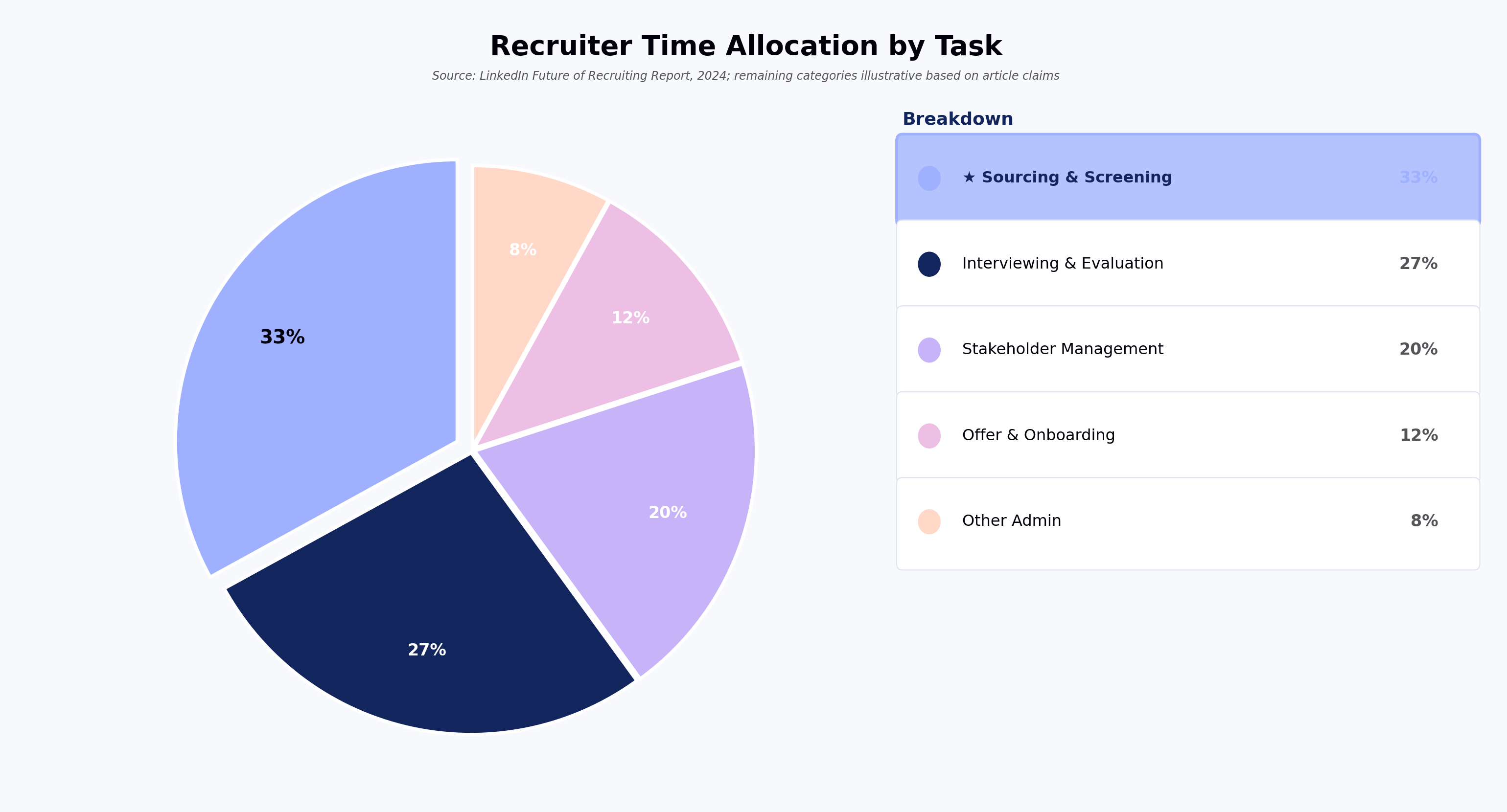
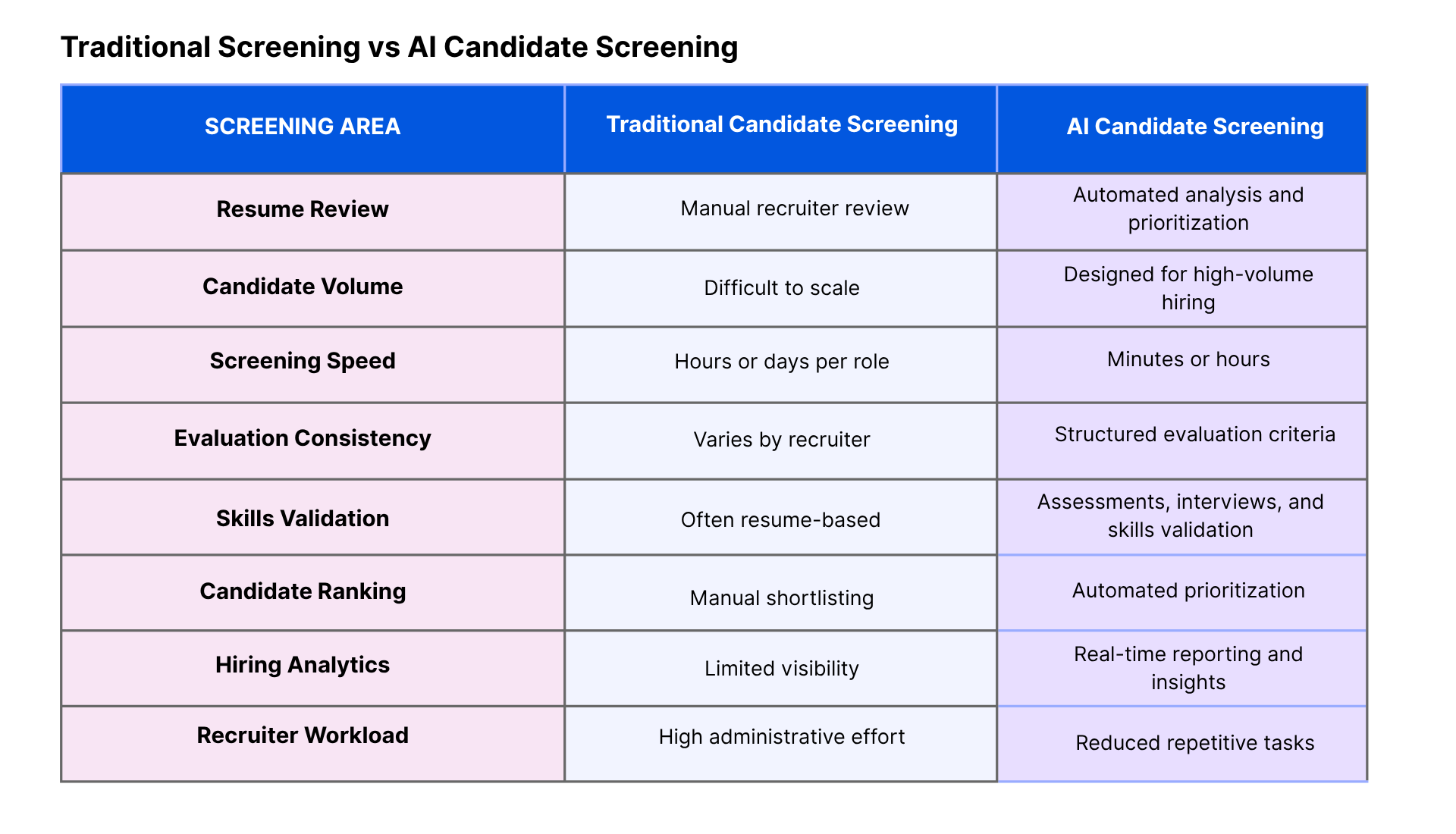
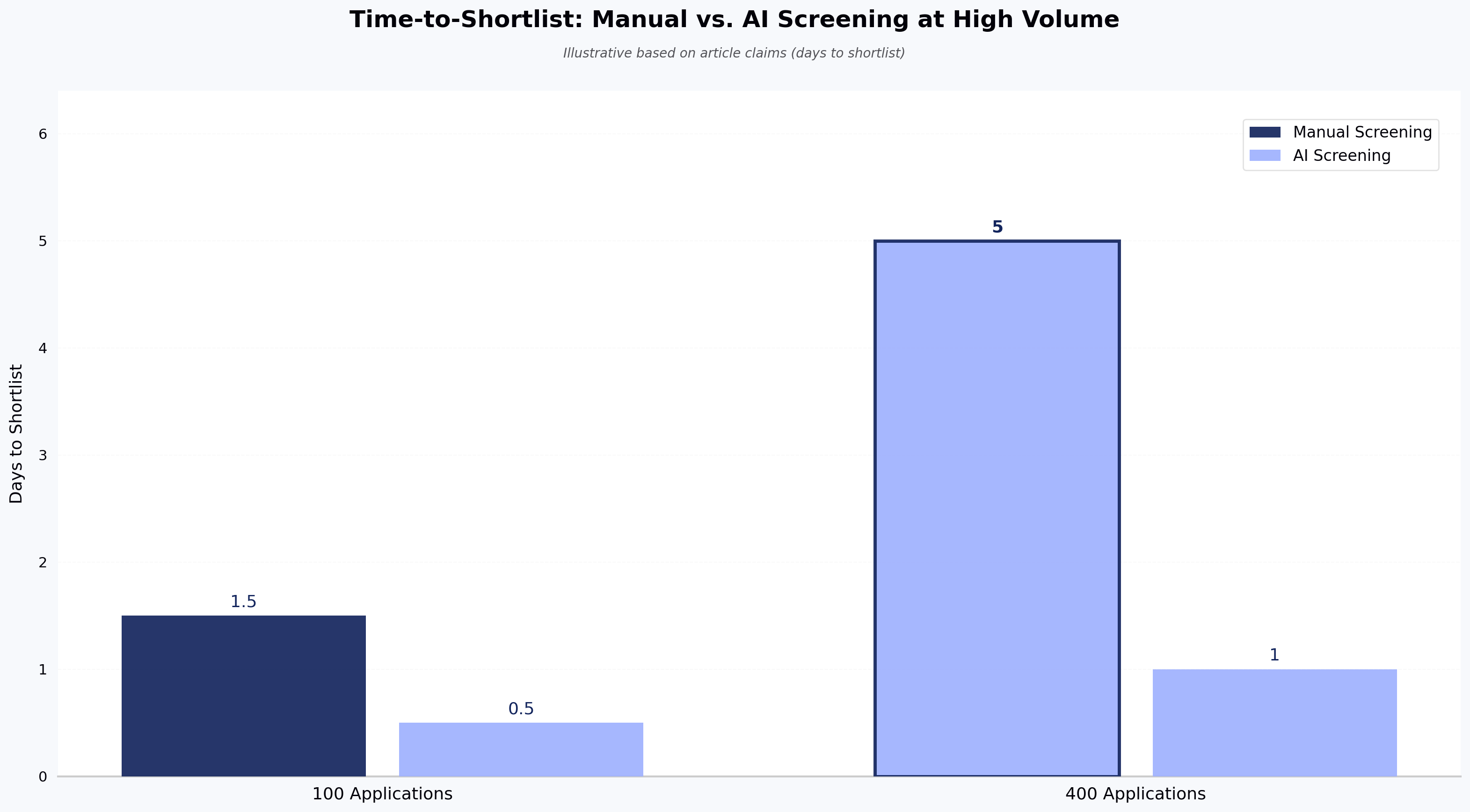
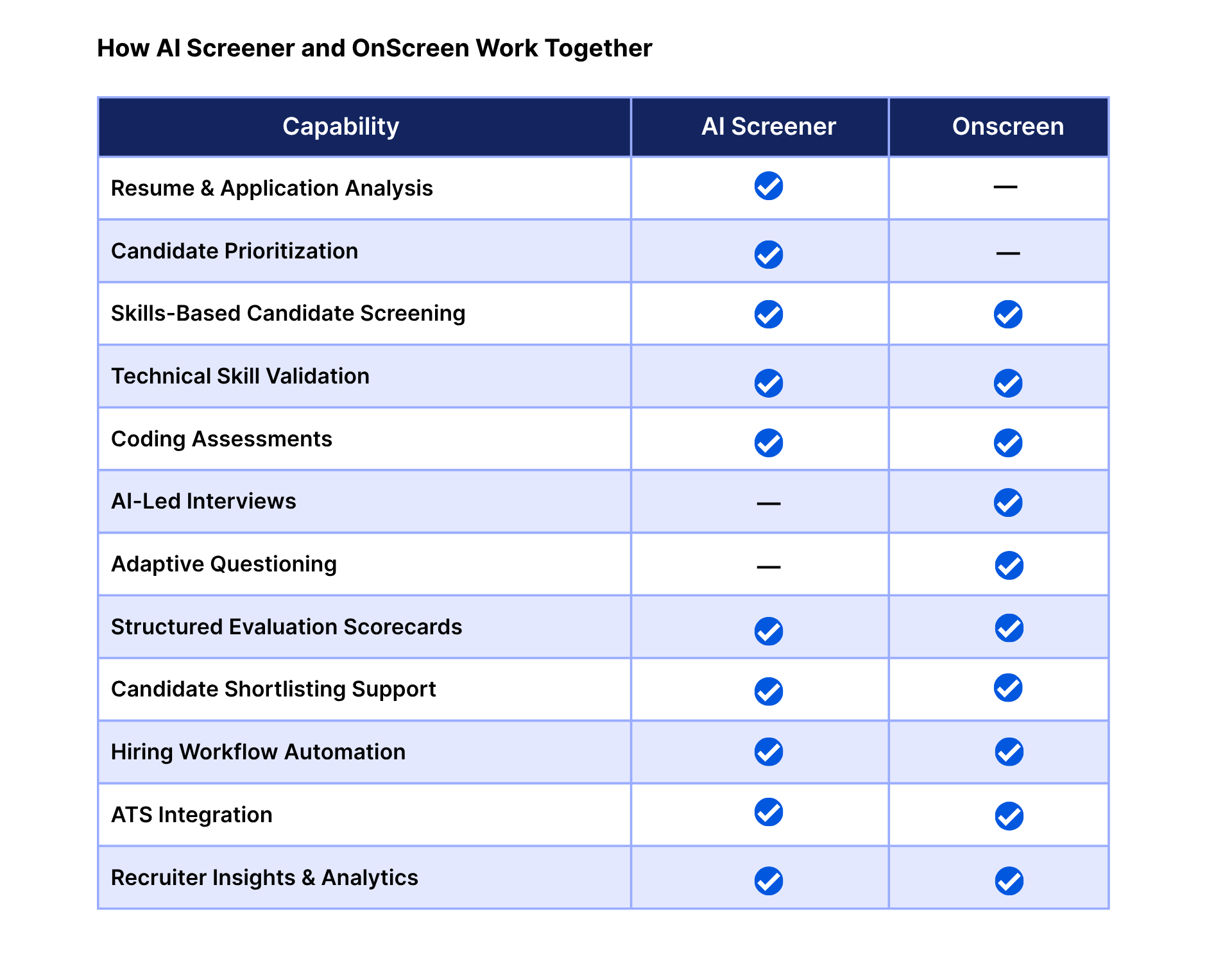
Automation has become a major element in the modern-day hiring process. The automated hiring process gained momentum since the advent of remote work culture in the pandemic era. It has greatly improved hire quality, streamlined the talent pipeline creation process and given birth to the use of technology in talent acquisition. This article will explore how automated hiring processes help organizations streamline their hiring process while maintaining cost efficiency and the key tools that help in doing so.
How Does Automation Help in Talent Acquisition?
Automation has been one of the most beneficial offerings of the modern-day technological advancement. It helps enhance hiring efficiency, reduce costs and improve candidate experience. In talent acquisition, automation involves the use of tools and technology to expedite tasks such as candidate sourcing, screening and interviewing, to onboarding new hires. The underlying goal is to use technology where possible and reducing the need for human intervention when possible, thus allowing HR professionals to focus on designing employee-friendly strategies and finding better ways to improve candidate engagement.
Key Benefits of Automation in Talent Acquisition
Apart from helping expedite key HR tasks, automation in recruitment has opened new avenues for the use of AI in talent acquisition and management, workforce planning, succession planning, and devising employee retention programs with the help of predictive analytics. In addition to this, automating HR processes is beneficial in the following ways.
Increased Efficiency
Automating several mundane tasks such as resume screening and interview scheduling using tools and technologies like HackerEarth has greatly reduced the workload for HR professionals. According to a study by PwC, 39% of organizations cited recruiting as their biggest human capital challenge, highlighting the need for efficient solutions. The use of applicant tracking systems to track a candidate’s application status has greatly contributed in improving the quality of human capital management.
Enhanced Candidate Experience
Setting up automated communication informing candidates about their application status has led to increased candidate satisfaction. This improves candidate engagement and creates a positive impression about the organization’s HR practices.
Data-Driven Decision Making
AI recruitment tools use machine learning to create predictive analysis algorithms that collect valuable data based on recruitment metrics like Time-to-Fill and Cost-per-Hire, allowing HR teams to make data-driven decisions and refine their recruitment strategies over time.
Reduced Bias
By standardizing the evaluation process through automated screening tools, organizations can minimize unconscious bias in hiring decisions, promoting diversity and inclusion.
Key Stages of Automation in Talent Acquisition
Resume Screening & Application Management
An Applicant Tracking System (ATS) allows HR teams to level up their recruitment game. The system helps companies set up automated screening of applications, analyse and store candidate information and shortlist candidates based on certain pre-defined criteria. It facilitates seamless communication from companies to candidates, thus improving the candidate experience. Having an ATS in place also lets HR managers formulate onboarding strategies for the incoming candidates, thus aiding a smooth transition into the company.
Candidate Sourcing & Outreach
Candidate sourcing takes up a significant amount of time in the recruitment process. Automation uses AI-powered tools to collate and identify candidate profiles that fit the job descriptions and are aligned with the organization’s culture. AI recruitment tools like HackerEarth employ the latest technologies to source, interview and assess potential candidates in a streamlined manner. For tech companies, HackerEarth offers tailored hackathon events to scout talented candidates which substantially reduces the workload for HR professionals. Additionally, chatbots can engage candidates in initial conversations and pre-screen them efficiently.
Interview Scheduling & Management
Automated scheduling tools like HackerEarth streamline virtual interview process by allowing recruiters to send invites, manage interview slots, and receive confirmations all within a centralized platform. This reduces back-and-forth communication and ensures a smoother experience for both recruiters and candidates.
Assessment & Testing
Many talent acquisition systems integrate with pre-employment testing platforms that enable recruiters to administer assessments and analyze results efficiently. This helps in evaluating candidates’ skills and suitability for the role without manual intervention.
Offer Letters & Onboarding
Automation can expedite the final stages of hiring by generating offer letters and contracts automatically. Onboarding software facilitates document submission, compliance checks, and online training modules for new hires. This ensures that new employees are integrated into the organization seamlessly.
Tools for Automating Talent Acquisition
Several tools are available that cater specifically to different aspects of the talent acquisition process:
Applicant Tracking Systems (ATS): Centralizes candidate information and streamlines application processes.
Candidate Relationship Management (CRM): Helps maintain relationships with potential candidates through automated communication.
Interview Scheduling Software: Automates the scheduling of interviews based on availability.
Assessment Tools: Allows for skills testing and evaluation before interviews.
Onboarding Platforms: Facilitates the onboarding process for new hires with automated workflows.
Best Practices for Implementing Automation
Assess Your Current Recruitment Process
Taking an account of the current recruitment process helps one understand the loopholes and devise strategies to overcome them. For example, Recruiters often spend an excessive amount of time manually reviewing resumes, leading to delays in the hiring process and potential oversight of qualified candidates.
Choose the Right Tools
Conduct a thorough study of the automated recruitment solutions available in the market to ensure that the right system is being leveraged for automated recruitment. For example, deploying recruitment chatbots can be instrumental in helping potential candidates understand their application status or clear doubts regarding the future steps. Select automation tools that align with your specific recruitment needs. Consider factors such as ease of use, integration capabilities with existing systems, and scalability.
Maintain a Human Touch
Automation does expedite crucial hiring processes, however, human intervention is essential in ensuring that interactions with highly qualified candidates are maintained in a clear and engaging manner.
Monitor Performance Metrics
Use analytics tools to track key performance indicators (KPIs) related to your recruitment efforts. Regularly review these metrics to assess the effectiveness of your automated processes and make necessary adjustments.
Train Your Team
Ensure that your HR team is well-trained in using automation tools effectively. Provide ongoing support and resources to help them adapt to new technologies.
Future Trends in Talent Acquisition Automation
As technology continues to evolve, several trends are shaping the future of talent acquisition automation:
Artificial Intelligence (AI) AI will play an increasingly significant role in automating candidate screening processes by analyzing vast amounts of data to identify top candidates more accurately.
Predictive Analytics: Organizations will leverage predictive analytics to forecast hiring needs based on historical data and market trends, enabling proactive recruitment strategies.
Enhanced Candidate Engagement Tools: The use of chatbots and AI-driven communication tools will become more prevalent, providing candidates with instant responses and personalized experiences throughout their journey.
Conclusion
Recruitment automation is a novel idea in the hiring industry. However, automation is increasingly becoming an indispensable part of the recruitment process, revolutionizing the conventional hiring tasks and enhancing candidate experience, reducing bias and helping hirers make informed, data-driven decisions. Going forward, it is inevitable that AI-based technologies will slowly dominate the industry. The next big task for HR managers will be striking the right balance between human intervention and dispensing artificial intelligence to attract top talent effectively. Incorporating these practices into your talent acquisition strategy will not only streamline your hiring processes but also position your organization as a forward-thinking employer in a competitive job market.