Tech interviews simplified with HackerEarth FaceCode
Estimated read time: 7 minutes
If you're a technical recruiter or engineering hiring manager, your best candidates are likely dropping out — and your interview signal is being lost — in the patchwork of Zoom, Google Docs, and spreadsheets most teams still use to run technical interviews. This guide — focused on tech interviews simplified with HackerEarth FaceCode — makes the practical case for consolidating that patchwork into a single, structured live-coding workflow. Research consistently finds that structured interviews predict on-the-job performance more reliably than unstructured phone screens, and a purpose-built live-coding environment is how most teams operationalize that structure.
This guide walks through how to tighten that workflow using HackerEarth FaceCode, where it fits (and where it doesn't), and how it compares to the way most teams run coding interviews today.
What is FaceCode?
FaceCode is HackerEarth's remote technical interview platform — a live-coding environment that combines real-time video, a collaborative in-browser code editor, and support for 40+ programming languages so hiring teams can run structured, panel-based coding interviews from anywhere. It is part of HackerEarth's broader hiring suite, which also includes Skill Assessments for pre-interview screening and SkillsGraph for skill intelligence.
Unlike ad-hoc video calls paired with shared documents, FaceCode brings the code editor, video, question library, rubric-based scoring, and a drawing and flowchart canvas for system design discussions into one workspace — reducing tool switching and giving interviewers a consistent record of every session.
Not sure where to start? A HackerEarth demo is the fastest way to see FaceCode live and evaluate fit with your hiring workflow.
Why the interview stack is where hiring quality is won or lost
For most engineering roles below the senior-staff level, a well-run 45-minute live coding interview can produce more usable signal per interviewer-hour than a multi-day take-home assignment. Take-homes penalize candidates with caregiving responsibilities or existing jobs, are increasingly gamed with AI assistance, and give interviewers no window into how a candidate thinks under mild pressure or responds to a nudge. Live-coding interviews, when paired with a shared rubric, surface reasoning in real time — which is the thing hiring managers actually need to evaluate.
That shift is reflected in the research on interview validity. A widely cited meta-analysis by McDaniel and colleagues (1994), published in the Journal of Applied Psychology, Vol. 79, No. 4, pp. 599–616, reported structured interviews as substantially more predictive of job performance than unstructured ones, and the U.S. Office of Personnel Management's Structured Interviews: A Practical Guide draws the same conclusion for public-sector hiring. SHRM's guidance on structured interviews reinforces that consistent questions and scoring rubrics reduce bias and improve comparability. The valid comparison in that literature is structured vs. unstructured interviews — not live coding vs. take-homes — but the underlying lesson (standardized questions, rubric scoring, and calibrated evaluators) is what a purpose-built interview tool is designed to enforce.
The catch: standardization is hard to enforce when every interviewer picks their own question, keeps notes in their own doc, and scores on their own mental scale. That's the practitioner problem a purpose-built interview tool is meant to solve.
Common friction points in the current interview stack
Most engineering hiring teams run into the same recurring problems when their interview tooling is stitched together from general-purpose apps:
- Inconsistent questions across interviewers. Without a shared question library, every panelist improvises, and candidates for the same role end up being evaluated on different prompts.
- Scoring drift. Free-form notes in Slack or email make it nearly impossible to compare candidates on a common scale, and calibration between interviewers erodes over time.
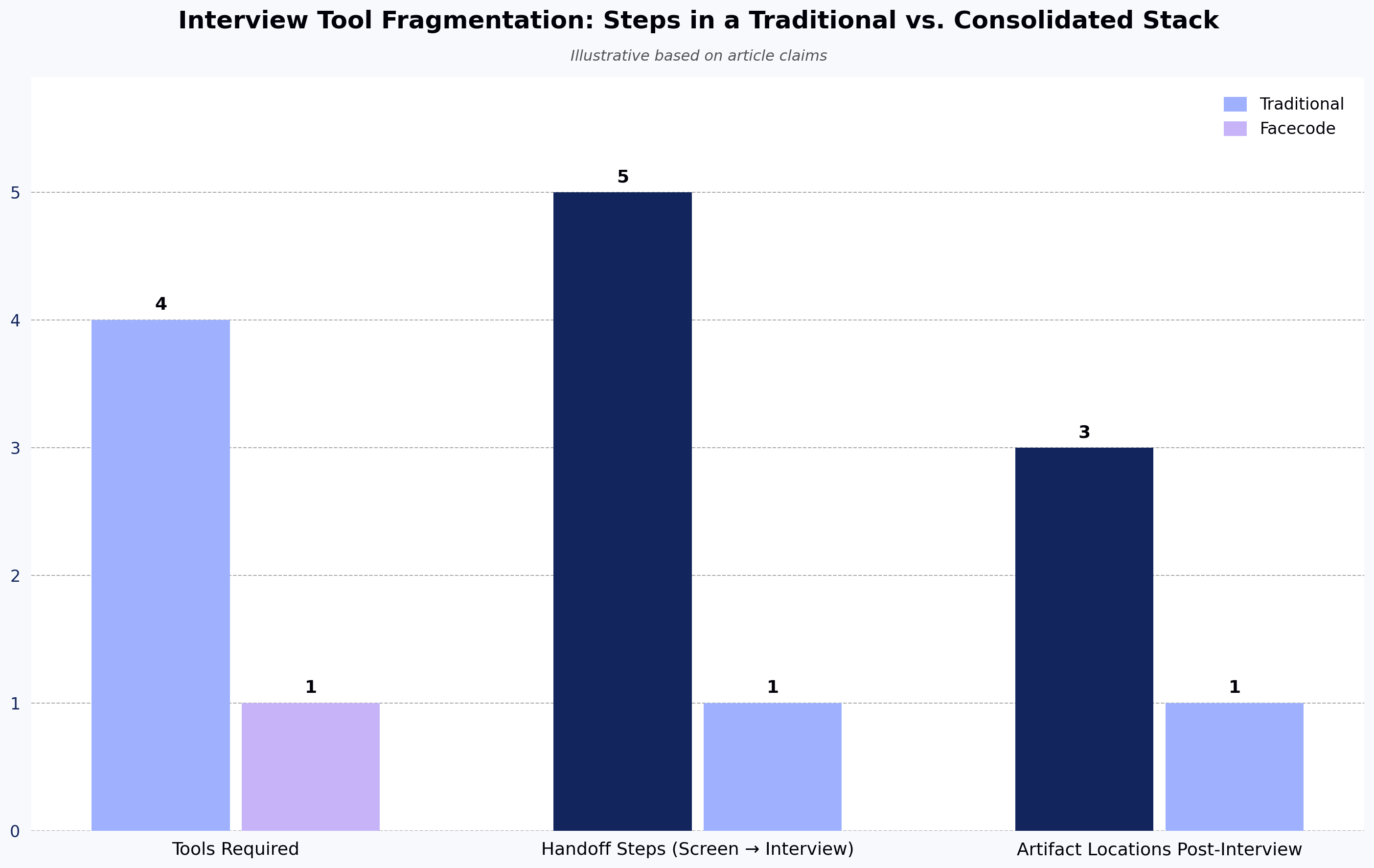
- Lost interview artifacts. When code lives in one tool, video in another, and feedback in a third, there's no single record to review during debriefs or post-hire calibration.
- AI-assisted cheating in async stages. Take-homes and unproctored async tests are increasingly gamed with generative AI, pushing the burden of verification onto the live interview.
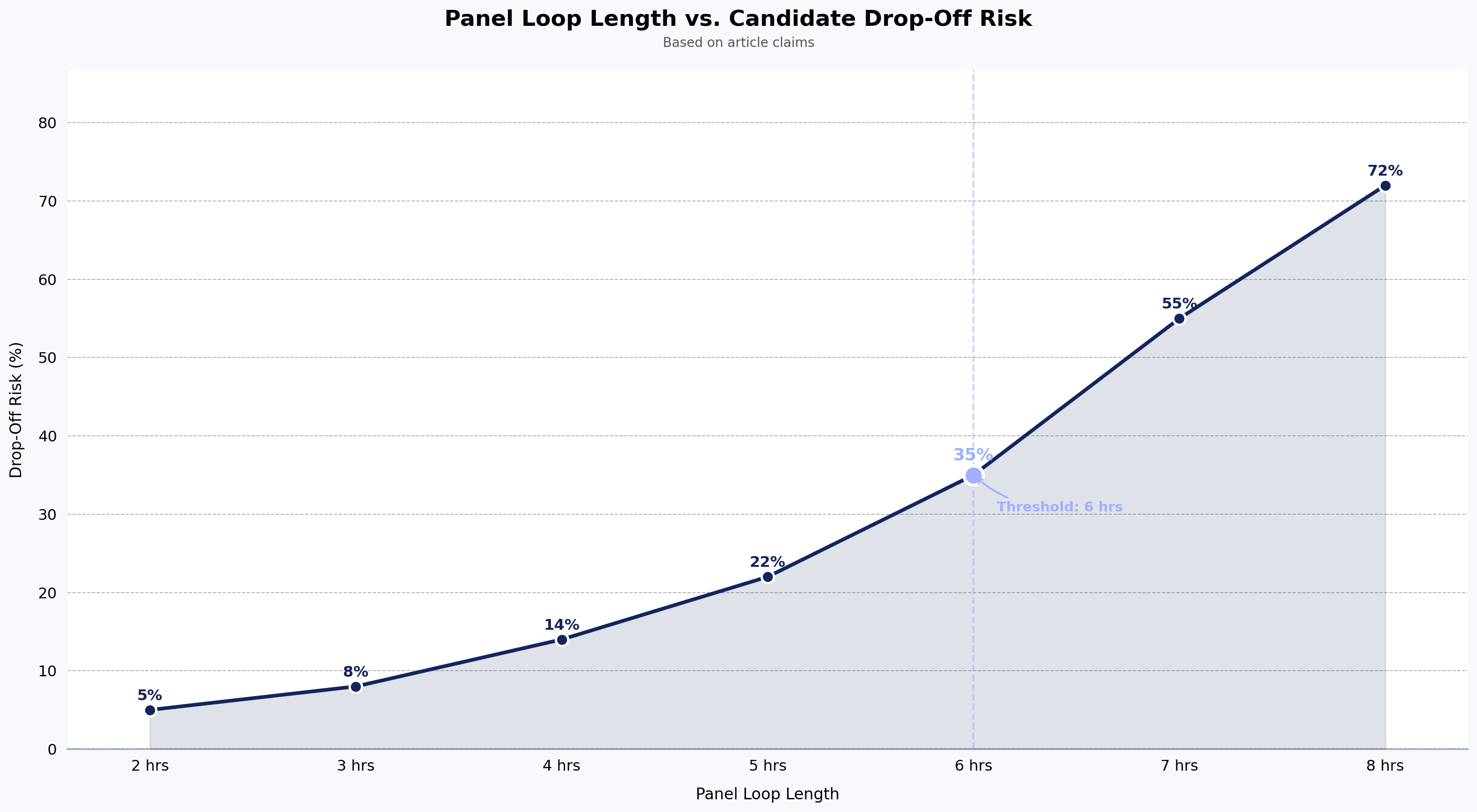
- Scheduling and handoff overhead. Moving a candidate from screening to interview typically requires re-keying details across tools, which slows time-to-interview and creates drop-off.
The lever that reduces all five is consolidating the live-interview workflow — standardized questions, rubric-based scoring, and a single interview record — into one workspace. That is the class of tool FaceCode belongs to.
How FaceCode addresses these friction points
HackerEarth FaceCode is designed around the friction points above: a shared code editor and video in one window, a reusable question library, rubric-based scoring, structured post-interview feedback, and activity logs for calibration. Teams evaluating FaceCode alongside community discussion can also cross-reference third-party reviews on G2 and Capterra in addition to threads on Reddit and similar forums.
For a deeper side-by-side of what changes when a team moves off a stitched-together stack, see the section below.
How FaceCode compares to traditional coding interviews
Traditional remote technical interviews often stitch together a general-purpose video tool, a shared document or whiteboard, and a spreadsheet for feedback. That setup creates three recurring problems: interviewers can't see code execute, feedback is captured inconsistently across sessions, and there's no single record of what happened in the interview.
A live-coding platform consolidates those steps into one workspace. Concretely:
| Dimension | Traditional stack (Zoom + Docs + Sheets) | Live-coding platform (e.g., FaceCode) |
|---|---|---|
| Code execution | Candidate reads or pastes code; interviewer can't run it | Auto-evaluation and language runtimes inside the editor |
| Question consistency | Each interviewer picks their own | Shared question library with tagged difficulty |
| Scoring | Free-form notes across tools | Rubric tied to each question, stored per candidate |
| Interview record | Fragmented across Zoom, Docs, Slack | Single artifact per session (code, video, feedback) |
| System design | Separate whiteboard tool | Drawing/flowchart canvas in the same window |
For a longer treatment, see FaceCode vs. traditional coding interviews.
When a dedicated live-interview tool may not be the right fit
Live-coding platforms are purpose-built for technical, coding-focused interviews. They may be less useful if:
- Your interviews are primarily non-technical. Behavioral or general HR rounds are usually served well enough by a standard video tool.
- You need only heavy async take-home evaluation. Async coding assessments are better served by HackerEarth Assessments than by a live-interview product.
- You interview at very low volume. Teams running only a handful of technical interviews per year may not see the full ROI of a dedicated interview platform.
- You require deep customization outside coding interviews. Pair-design sessions with custom hardware setups, for example, should be evaluated against your specific workflow before committing to any interview platform.
Being upfront about these trade-offs matters. Structured live interviews only pay off when the interview volume and role type justify the setup investment.
A step-by-step guide to running your first FaceCode interview
The workflow for setting up a coding interview breaks down into five stages. Detailed setup steps are available in the HackerEarth Support Center (verify current article URLs before sharing internally).
- Create a new interview. Configure the candidate's details, the interview slot, and the interview link that will be shared with them and the panel.
- Learn the interview interface. Walk through the code editor, video panel, question sidebar, and drawing canvas before running a live session — most first-time interviewer complaints come from not knowing where features live.
- Add interviewers to the panel. Invite one or more colleagues so a panel-based interview can happen in a single session rather than as sequential rounds.
- Add questions from your library. Attach standardized questions and their associated rubric criteria to the interview so every candidate for the same role sees a comparable prompt set.
- Provide feedback about the candidate. At the end of the session, each interviewer submits their rubric scores and comments, which are stored with the candidate's report for downstream comparison.
Frequently asked questions
Is HackerEarth free to try?
Based on HackerEarth's public product pages at the time of writing, self-serve pricing for FaceCode and Assessments is not published; teams can request a demo to see the platform, and pricing is quoted based on hiring volume and product mix. Any pricing ranges circulating in third-party listings should be treated as unconfirmed until validated with the HackerEarth team. For individual developers, HackerEarth's separate practice environment on the main site remains free to use.
Can HackerEarth detect cheating in coding interviews?
In live FaceCode interviews, the interviewer directly observes the candidate on video, which reduces the risk of impersonation and unauthorized assistance in a way that async tests cannot. For the async screening stage, HackerEarth Assessments include proctoring capabilities designed to flag suspicious behavior; the specific proctoring signals available may vary by product tier and are worth confirming with the HackerEarth team for your setup. No proctoring system is infallible, but pairing proctored assessments with a live technical interview raises the bar against cheating meaningfully.
What is the 30-60-90 rule in an interview?
The 30-60-90 rule is most commonly a candidate preparation framework: candidates present a plan for their first 30, 60, and 90 days on the job to demonstrate role readiness. It is distinct from the interviewer evaluation frameworks this article addresses (structured questions, rubric-based scoring, and panel calibration), which are focused on how hiring teams score candidates rather than how candidates pitch themselves.
What is the 80/20 rule in interviewing?
The 80/20 rule in interviewing is a rough guideline suggesting the candidate should be speaking roughly 80% of the time and the interviewer 20% — the interviewer's job is to ask focused questions and listen, not to fill silence. In technical interviews, this translates to letting the candidate reason through the problem out loud while the interviewer nudges only when the candidate is stuck or drifting off-scope.
Is cracking the coding interview still relevant in 2026?
Cracking the Coding Interview remains a widely used candidate-prep reference for algorithmic questions, and many of its patterns still map to what candidates encounter in live coding rounds. That said, hiring teams increasingly weight structured rubrics, system-design discussion, and behavioral signal alongside pure algorithmic problem-solving — so candidates preparing for 2026 interviews should treat the book as one input rather than the whole preparation strategy.
How should hiring teams decide between live coding and async take-home rounds?
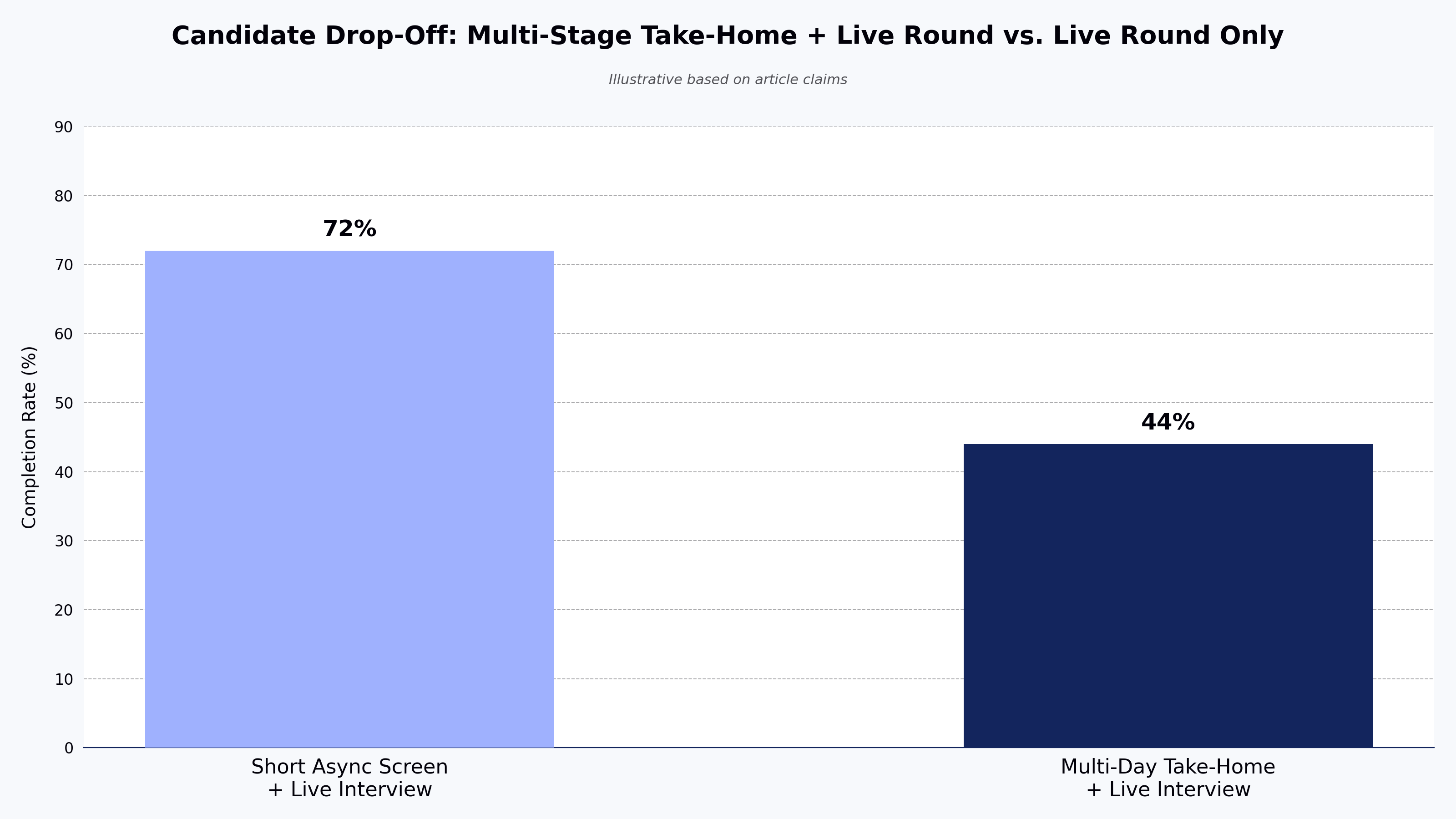
A pragmatic split, and one that runs counter to the common assumption that "more assessment is better": use a short async screen (30–60 minutes, proctored) only to filter out candidates who cannot code at all, and reserve the deeper evaluation for a live, rubric-scored interview. Stacking a multi-day take-home and a live coding round tends to hurt completion rates without improving downstream signal, especially for senior candidates with other offers in play.
Where does FaceCode sit relative to community reviews and discussion?
Candidate-facing forums (Reddit, developer Twitter) tend to focus on FaceCode from the interviewee's perspective — usability, question difficulty, and proctoring behavior. Buyer-facing review sites like G2 and Capterra are more useful for hiring teams comparing platforms, because they aggregate structured feedback from recruiters and engineering managers on features, support, and ROI. Both are worth scanning before a demo.
Next steps
If you're already a HackerEarth admin, log in to configure your first FaceCode interview loop for an open role. If you're evaluating the platform, request a demo to see how FaceCode and HackerEarth Assessments fit into your technical hiring workflow — including the question library, rubric-based scoring, and integration between screening and live interviews.